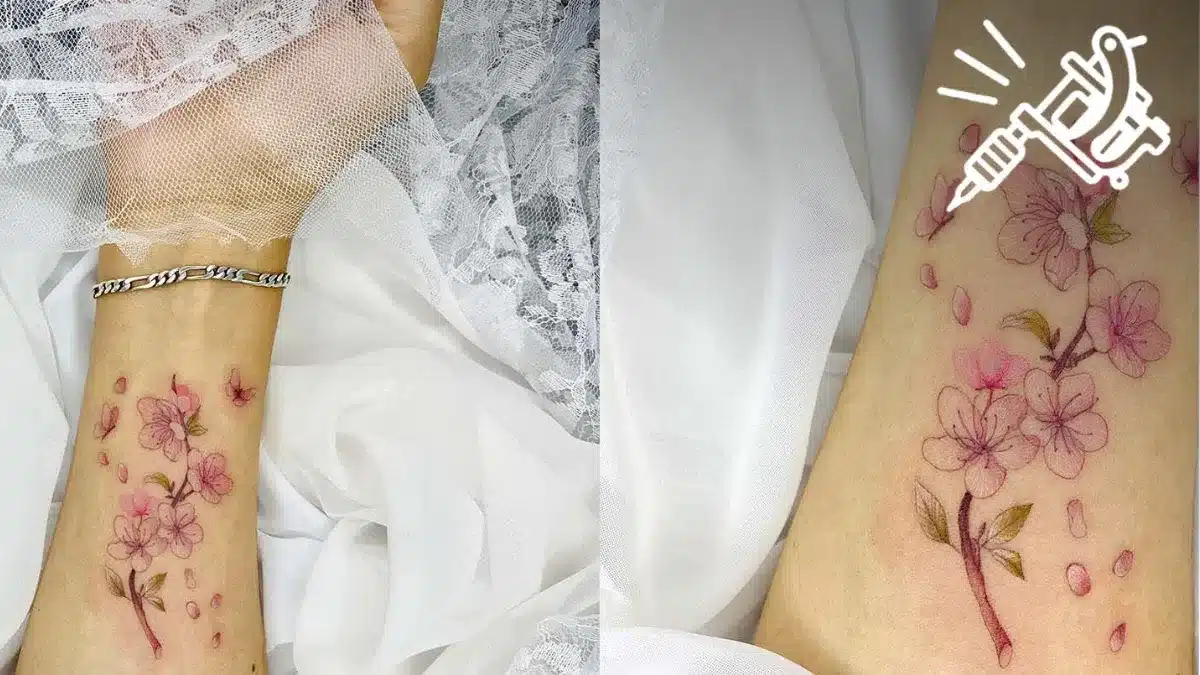
Do tattoos fade? Yes—but how much, how fast, and why all depend on a few key factors that artists and collectors know well. From blurred script to color loss, here’s what fading actually looks like—and what you can do to fix or avoid it.
5 Real Tattoo Fades and What You Can Do
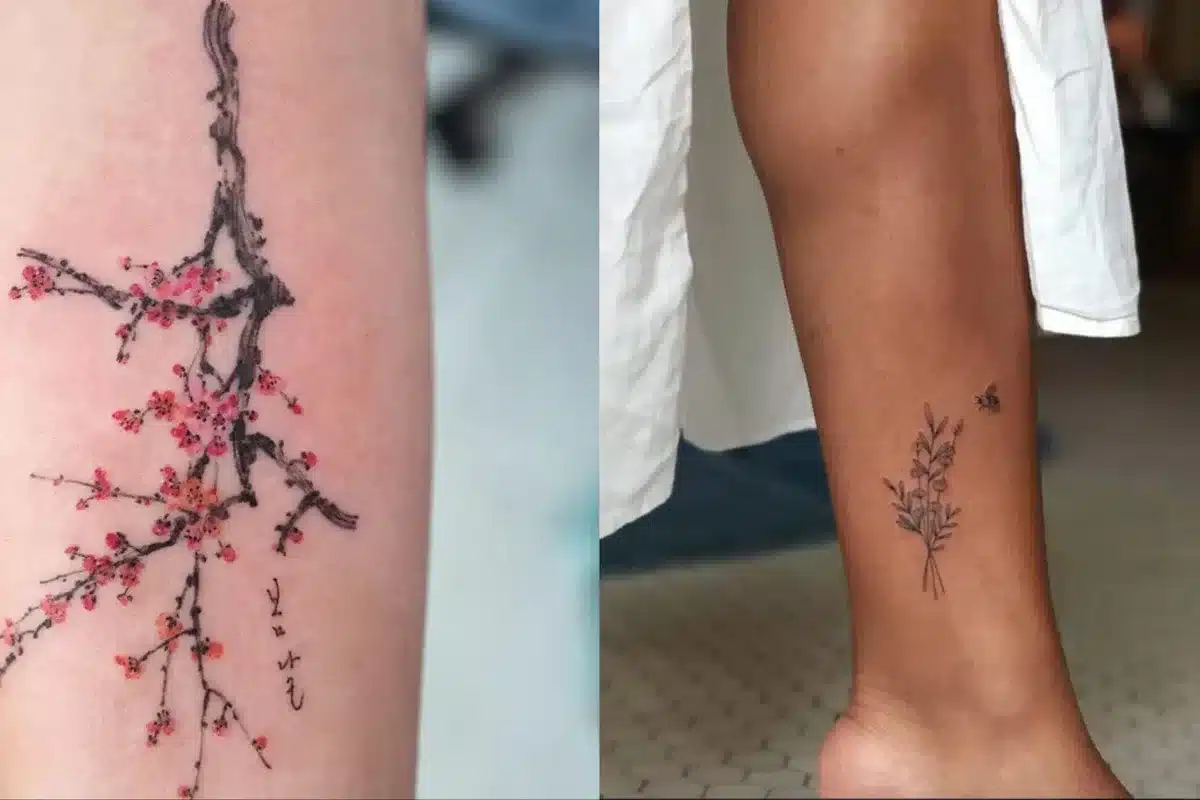
These common cases show how tattoos can fade, change shape, or blur over time—plus how artists are now adjusting designs and aftercare to make them last longer.
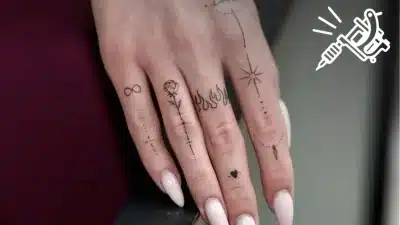
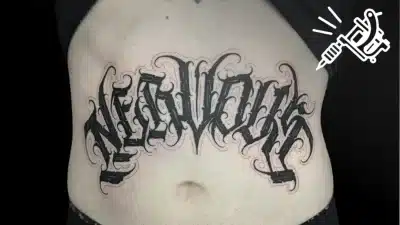
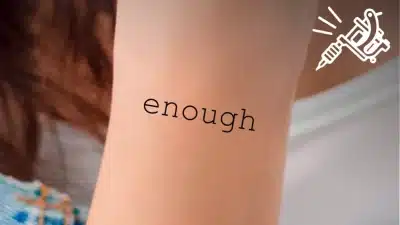
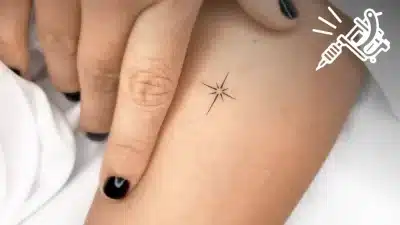
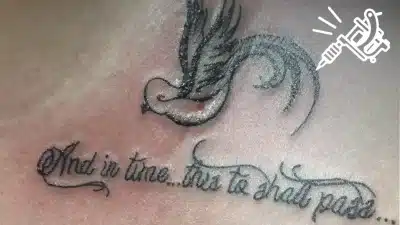
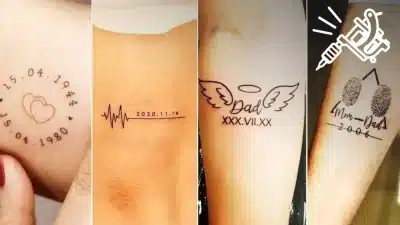
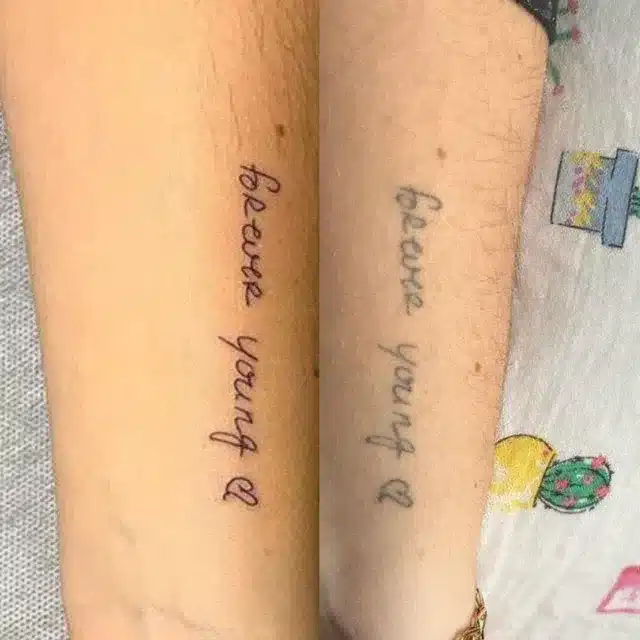
1. Fine Line Script That Turns Fuzzy
Delicate, handwritten words look sharp at first, but over time, the lines can bleed slightly under the skin. This happens when ink spreads in the dermis or natural cell turnover softens crisp edges.
Best fix: Go thicker. Artists increasingly bold key strokes or add subtle spacing in lettering to keep it legible over time.
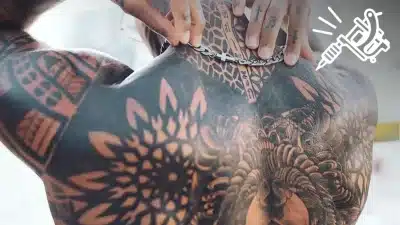
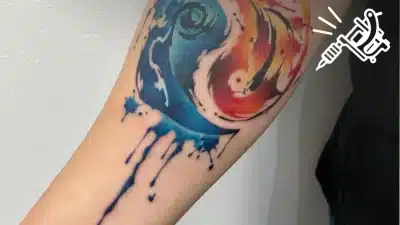
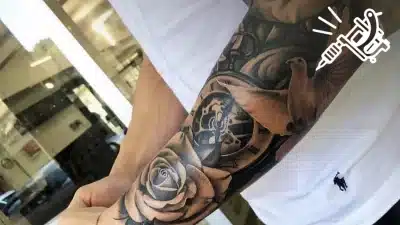
2. Color Tattoos That Dim in Sunlight
Bright reds, purples, and yellows are vulnerable to UV rays—especially when exposed on arms or shoulders. Even sunscreen doesn’t fully prevent the gradual fade.
Best fix: Use color strategically. Many artists now mix muted pigments with pops of color placed away from high-friction or sun-prone spots.
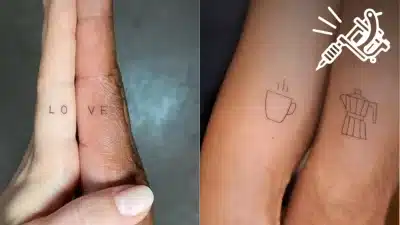
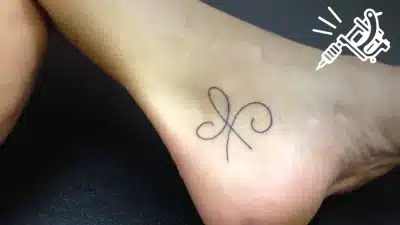
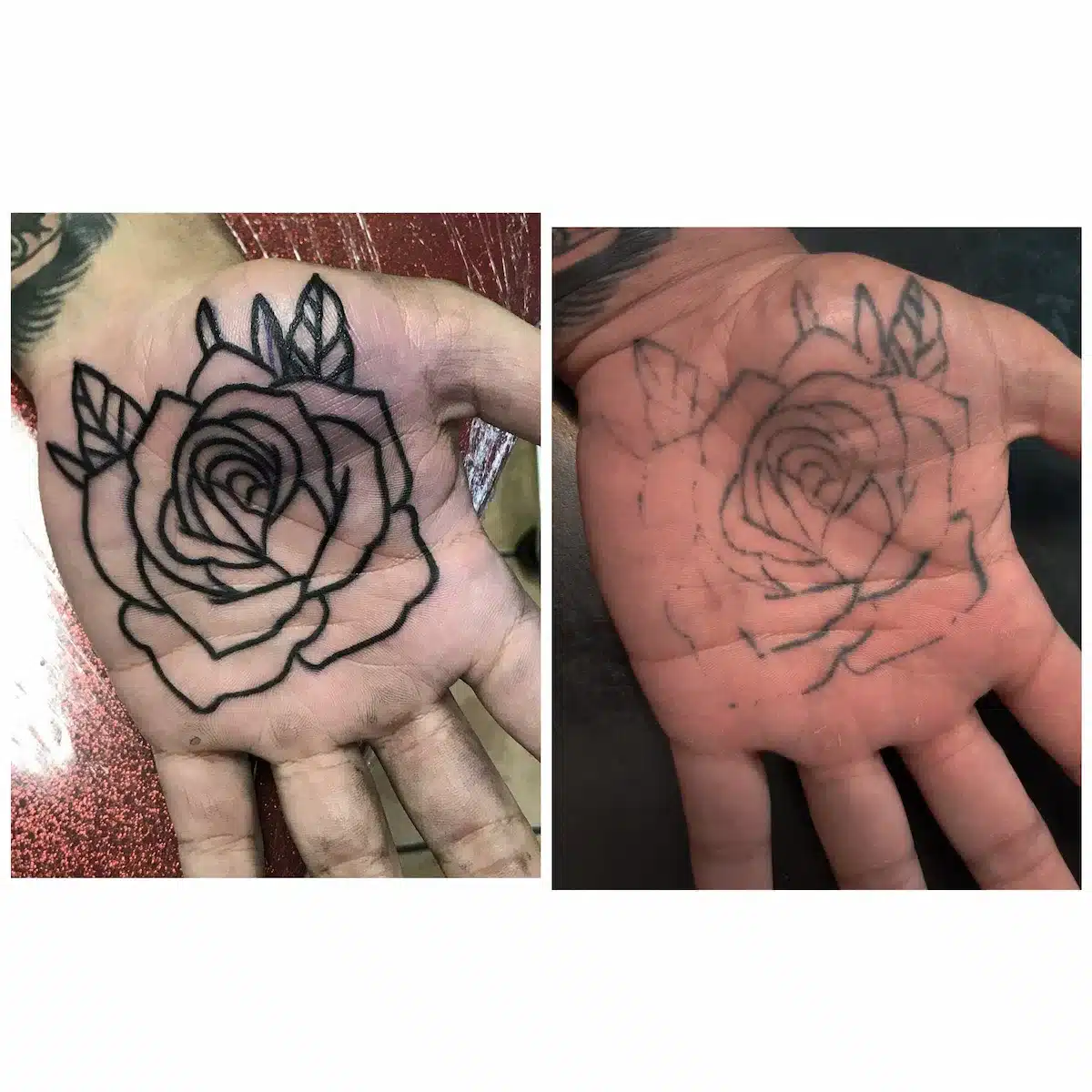
3. Tattoos on Hands, Fingers, or Feet That Blur Fast
These high-movement areas have thinner skin and constant friction. That means ink doesn’t settle as well, causing patchiness or fast fading.
Best fix: Go bold, or skip micro-detail here. Artists may double-line thicker designs or use dotwork methods that age better on hands and feet.
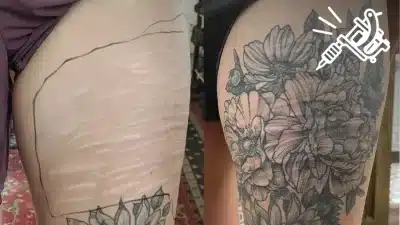
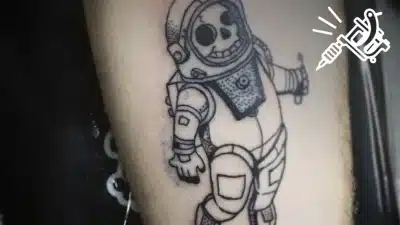
4. Blowouts That Look Like Smudging
When a tattoo heals, sometimes the ink spreads too widely, creating a blurry border. Known as a blowout, this can show up early on thinner skin or from uneven depth from the artist’s needle.
Best fix: Choose a highly experienced artist for sensitive areas. Soft shading techniques can also mask minor blowouts in older work.
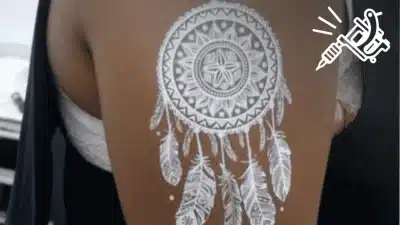
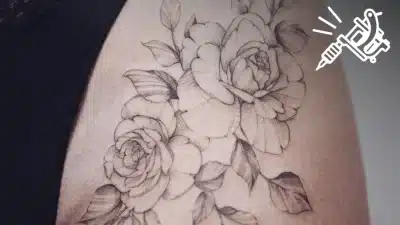
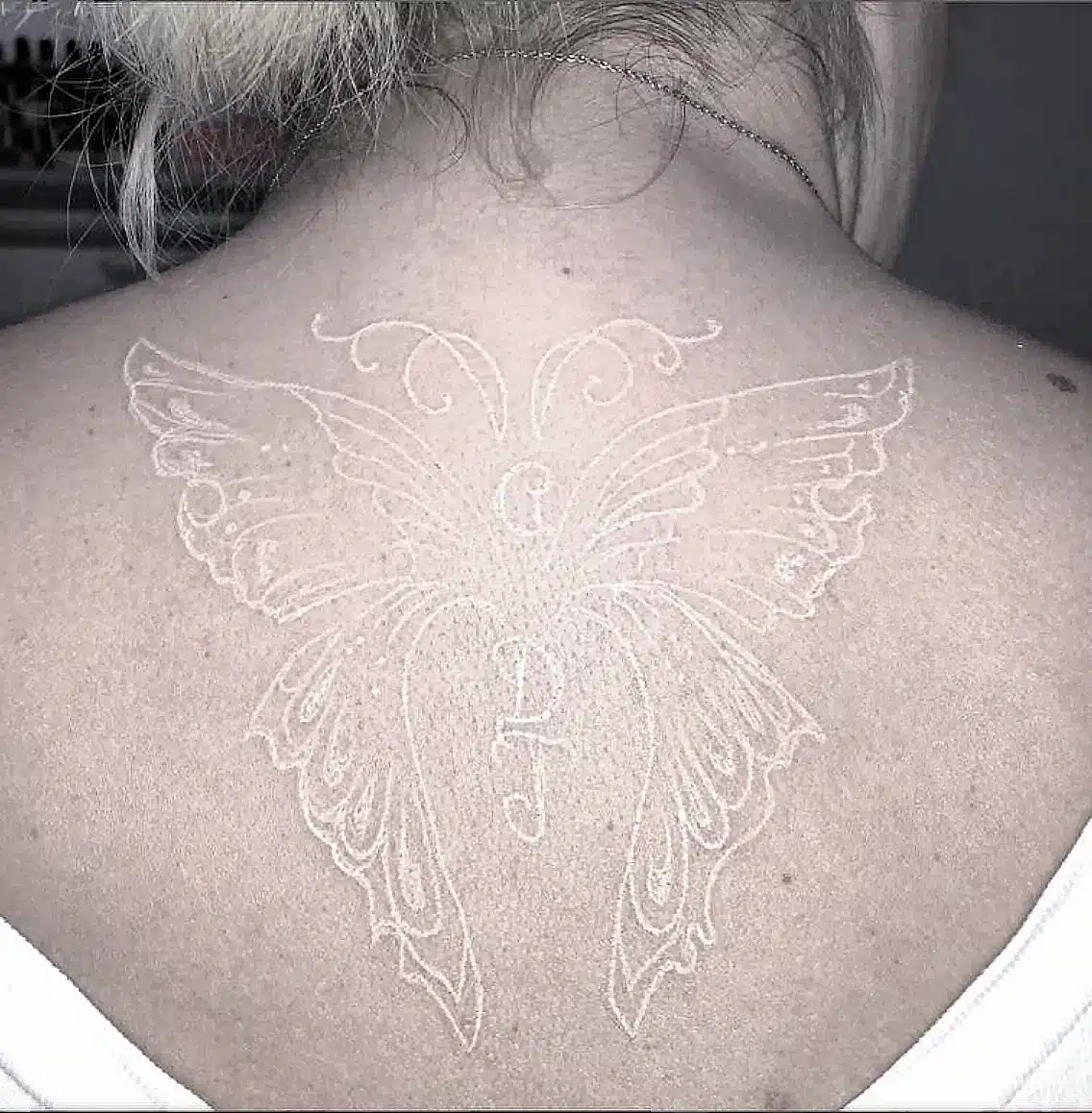
5. White Ink That Completely Disappears
White ink tattoos are subtle to begin with—but in most cases, they fade dramatically or vanish. Skin tone plays a major role, but even on pale skin, white often breaks down or takes on yellow tones.
Best fix: Use white for accents, not as a stand-alone ink. Many artists now layer it under color for brightness instead of outlining full designs.
As tattoos normalize and technology improves, so does awareness around longevity. Fading doesn’t mean failure—but it does make artist selection, aftercare, and design choices more important than ever.