Tattoos are sacred stories in Polynesian culture, not just body art. Rooted in ancestry, tradition, and identity, the tattooing traditions of Polynesia are some of the oldest and most meaningful in the world. Here’s what makes them so iconic—and why they continue to influence tattooing globally.
The Deep Roots of Polynesian Tattooing
Tattooing has existed in Polynesia for over 2,000 years. In many island cultures like Samoa, Tahiti, Hawaii, and the Marquesas, tattoos were a way to record genealogy, social rank, and spiritual beliefs—etched directly into the skin. The word “tattoo” itself comes from the Tahitian word tattau, meaning “to strike.”
In Polynesian communities, receiving a tattoo (often a painful and highly ceremonial act) marked key life transitions: coming of age, becoming a warrior, or taking a leadership role. A traditional Samoan pe’a—a full-body tattoo from waist to knees—was both a spiritual and physical trial.
Artists used sharpened bone or turtle shell to tap black ink made from soot into the skin. The process was physically intense, often taking weeks or months. Because of its cultural significance, the act of tattooing was considered a tapu—sacred practice—performed by trained specialists called tufuga ta tatau.
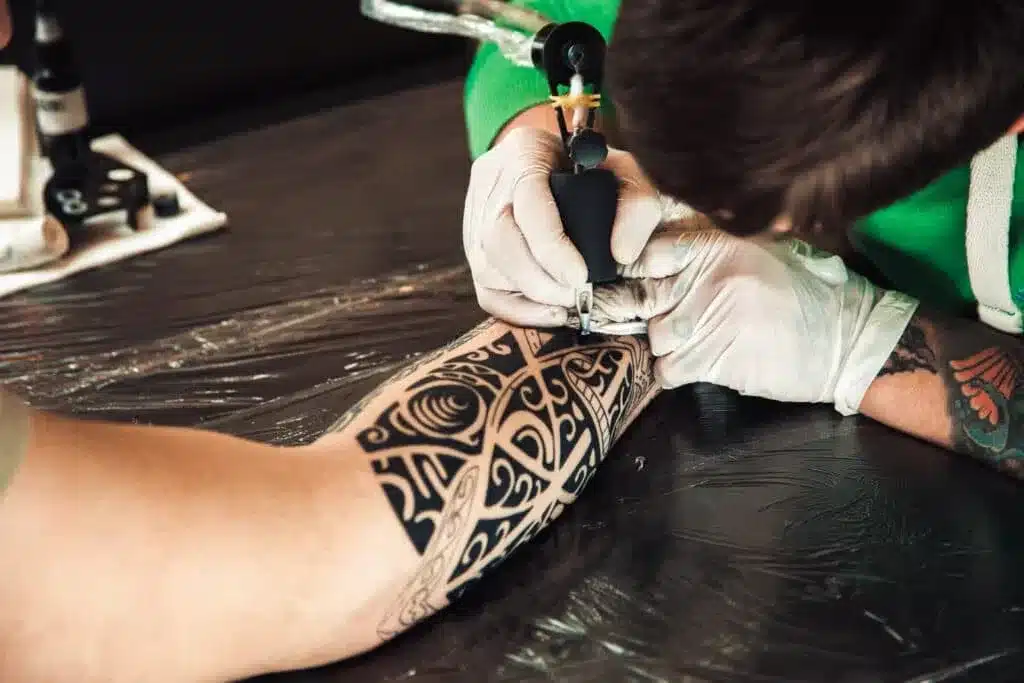
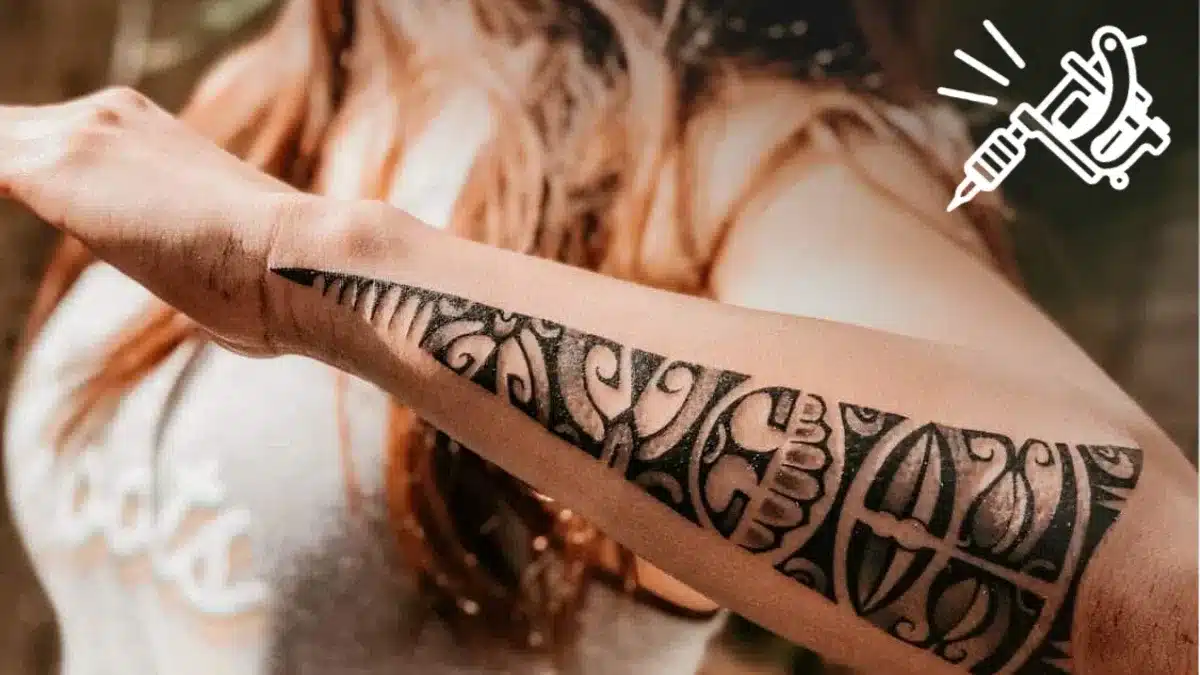
Each pattern or motif used in Polynesian tattooing had symbolic meaning. The spearhead (niho mano) represented courage and protection, while ocean waves symbolized life’s journey and change. Reading a tattoo was like reading one’s personal mythology, told through abstract geometry.
During colonization, Western missionaries tried to ban Polynesian tattooing, seeing it as “pagan” or improper. In Hawaii, tatau was criminalized. Despite this, many communities quietly kept the knowledge alive. Today, there’s a strong cultural revival—rooted in reclaiming tradition and identity.
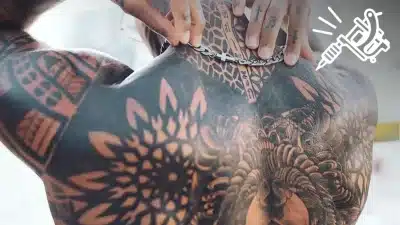
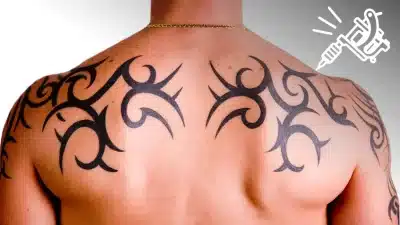
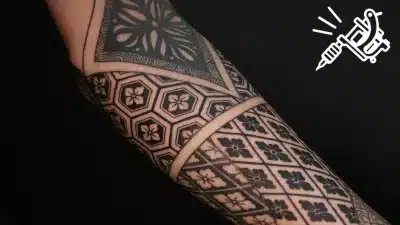
From bold blackwork sleeves to geometric minimalism, many contemporary tattoo styles borrow from Polynesian techniques—often without understanding. But among Pacific Islanders, traditional tatau remains deeply personal, tied to heritage rather than trends. Artists today work with careful respect, reviving ancestral styles with modern tools.
Whether you’re drawn to Polynesian tattoos for their aesthetics or historical depth, what’s clear is this: they carry a legacy that goes far beyond the ink itself. The designs may be ancient, but they’re still speaking today.