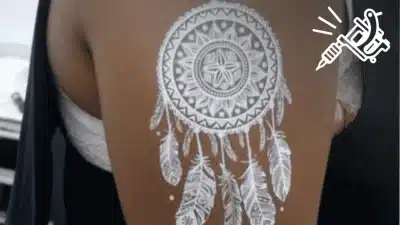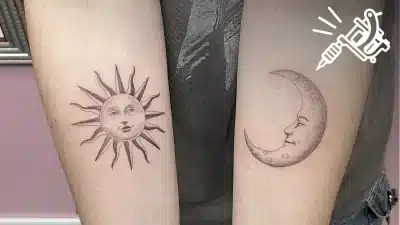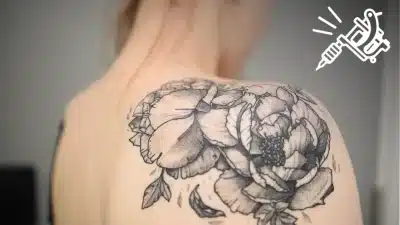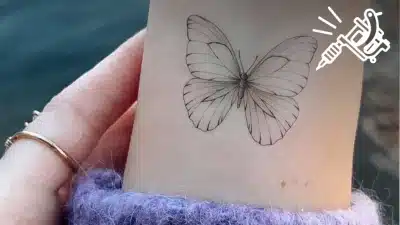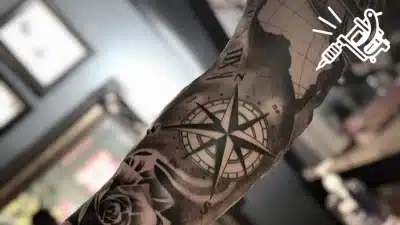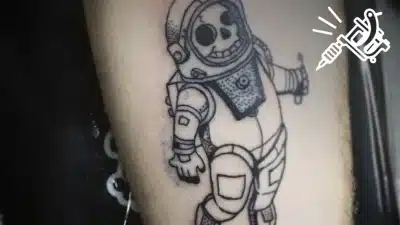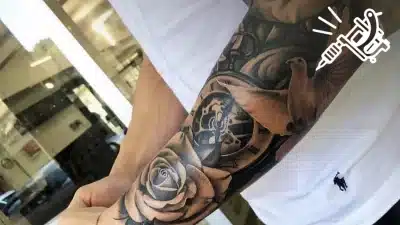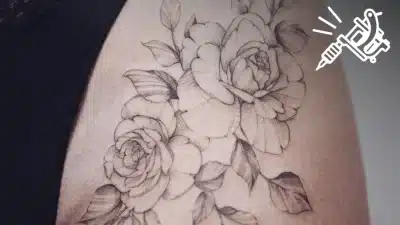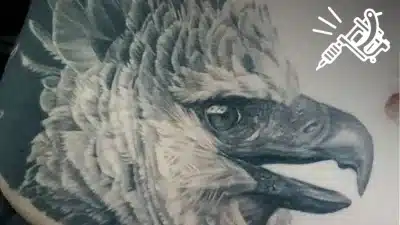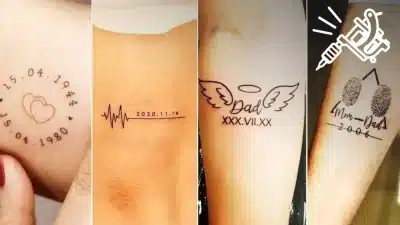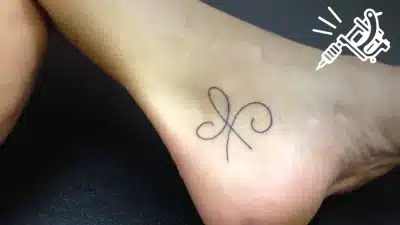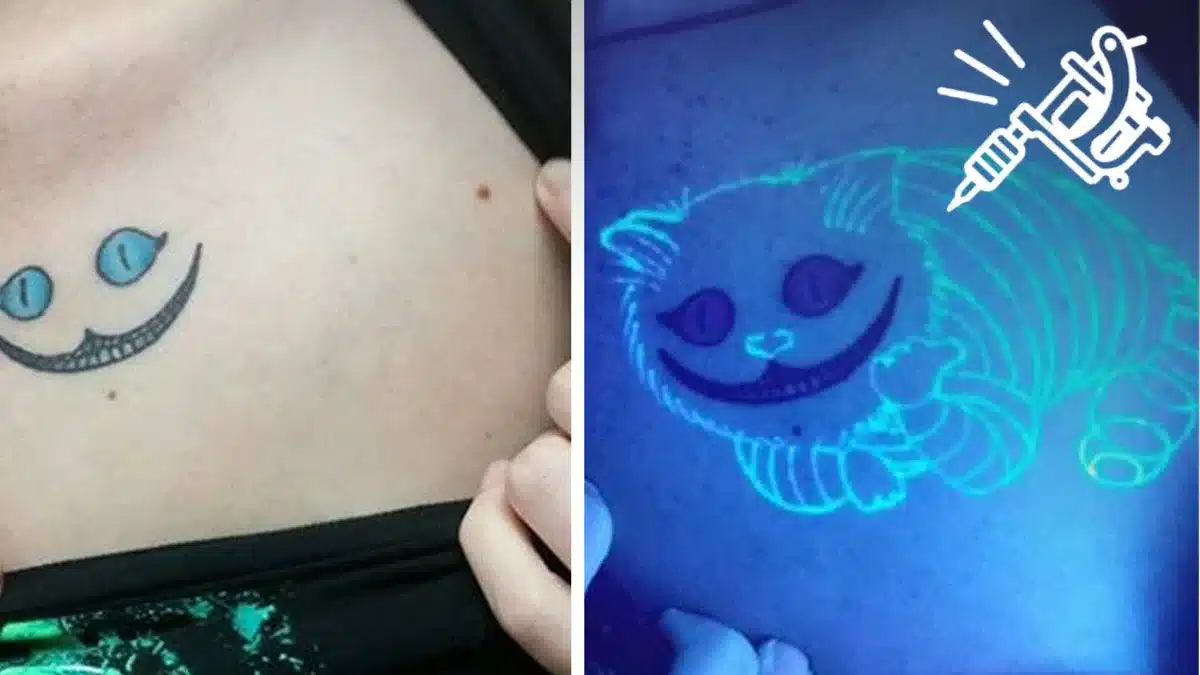
Some tattoos don’t just stand out in daylight — they shine in complete darkness. Glow-in-the-dark ink is back in conversation, blending nostalgia with tech-inspired rebellion. Wondering how it works, and what these tattoos really look like under UV light? Here’s what to know before you even step into the chair.
Glow-in-the-Dark Tattoos: What to Expect at Night — and Under the Skin
Don’t let the name fool you
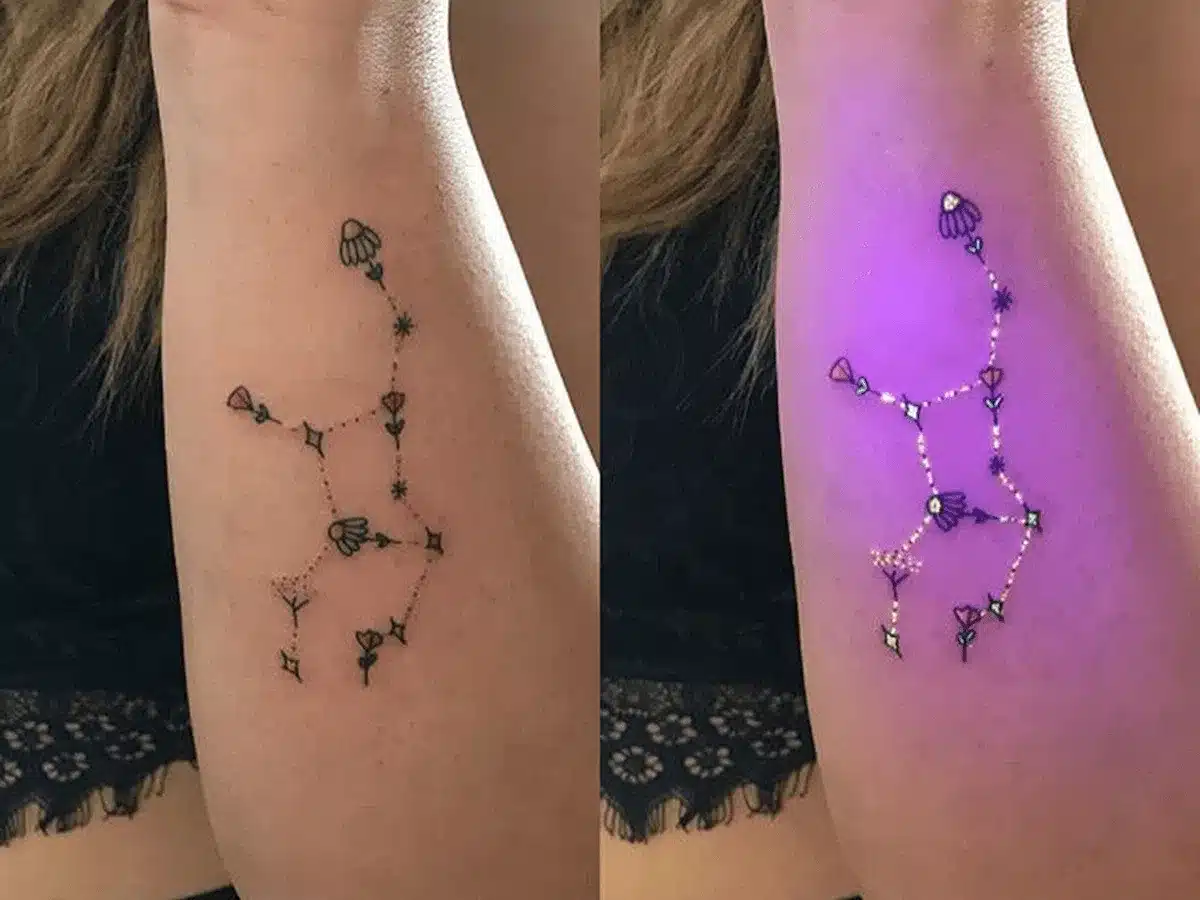
Most “glow-in-the-dark” tattoos don’t glow on their own. Instead, they’re technically UV-reactive or “blacklight” tattoos — they light up under ultraviolet light, like what you’d find in clubs or art installations. Without it, the ink tends to look subtle or even invisible in daylight.
How the ink actually works
UV tattoo ink contains fluorescent pigments that become visible under ultraviolet lighting. It’s not radioactive or glowing 24/7. Think of it more like neon paint at a rave — harmless in appearance during the day, electric under blacklight at night.
Blacklight vs. phosphorescent ink (yes, there’s a difference)
Phosphorescent inks technically glow in the dark after absorbing light — but these are rarely used in tattooing today. Most artists steer clear of them due to outdated safety concerns and unpredictable results. It’s ultraviolet-reactive ink that’s become the go-to for glowing effects.
Health and safety still matter
Modern UV tattoo inks have improved since their early-2000s club kid days. While not yet FDA-approved (like all tattoo inks in the US), many updated formulas contain fewer irritants. Still, reactions can happen, especially for sensitive skin. A patch test is non-negotiable with this kind of ink.
Popular designs in UV ink
Minimal linework, hidden messages, constellations, and circuit-inspired motifs are favorites in UV designs. Since the ink appears faint in regular light, artists often pair UV highlights with visible ink to create dual-layered tattoos: subtle in daylight, luminous in nightlife.
Will it fade faster than regular tattoos?
UV ink can fade faster than traditional pigments, especially under sunlight. Since it sits a bit higher in the skin, some fading is natural. Touch-ups are common, and not all artists offer them — so it’s worth asking before committing.
Are all tattoo artists offering it?
No — and that’s a good thing. UV tattoos require special handling and experience. Not every studio stocks UV-safe ink or has blacklights for preview and precision. Always consult an artist familiar with UV work to ensure longevity and skin safety.
Where they shine (literally)
For dancers, nightlife regulars, and those who want something secret — UV tattoos offer a surprising amount of versatility. They’re subtle, often personal, and only reveal their full form in the right conditions. Think invisible ink for adults, with an edge.
Whether you’re chasing after Y2K rave nostalgia or just want art that keeps its secrets, UV tattoos bring a kind of hidden visual drama that’s hard to replicate. Just make sure to glow safely.