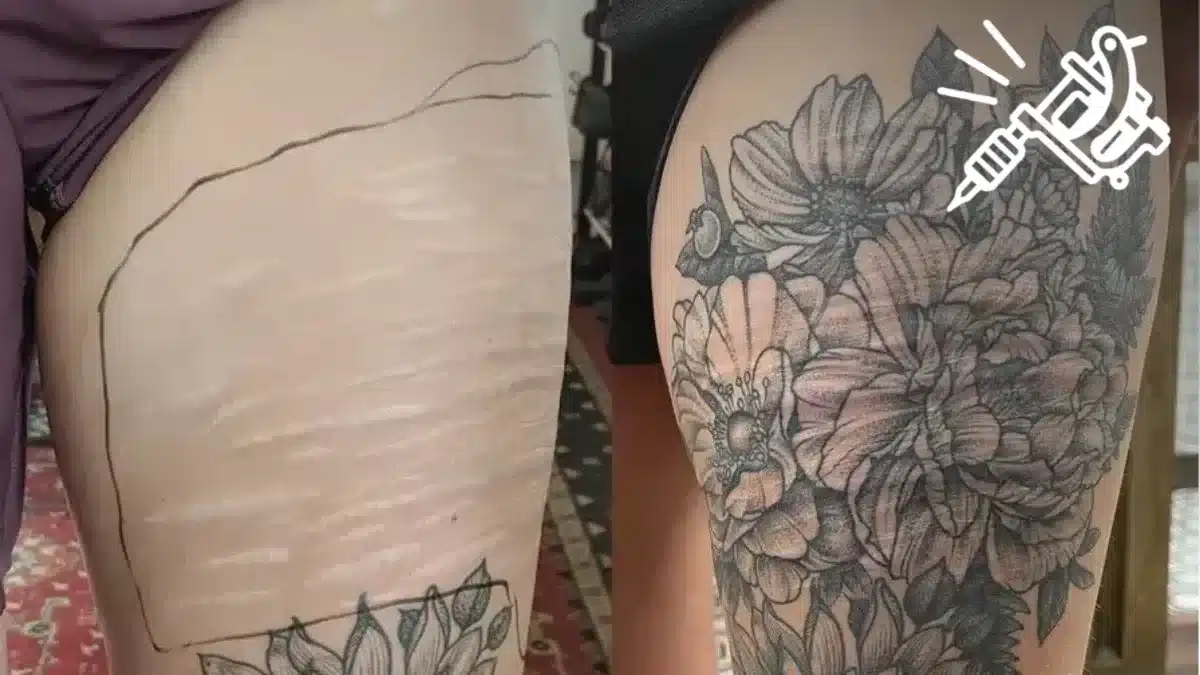
Scars carry stories, but they don’t have to define your skin forever. More people are choosing scar cover tattoos—not to erase the past, but to reclaim it. With the right artist, these designs transform healed wounds into powerful, personal artwork.
Scar Cover Tattoos: 10 Before-and-After Ideas You’ll Want to See
Here’s how artists are covering surgical scars, burns, and old injuries with designs that feel intentional and empowering—blending art and healing without hiding the truth.
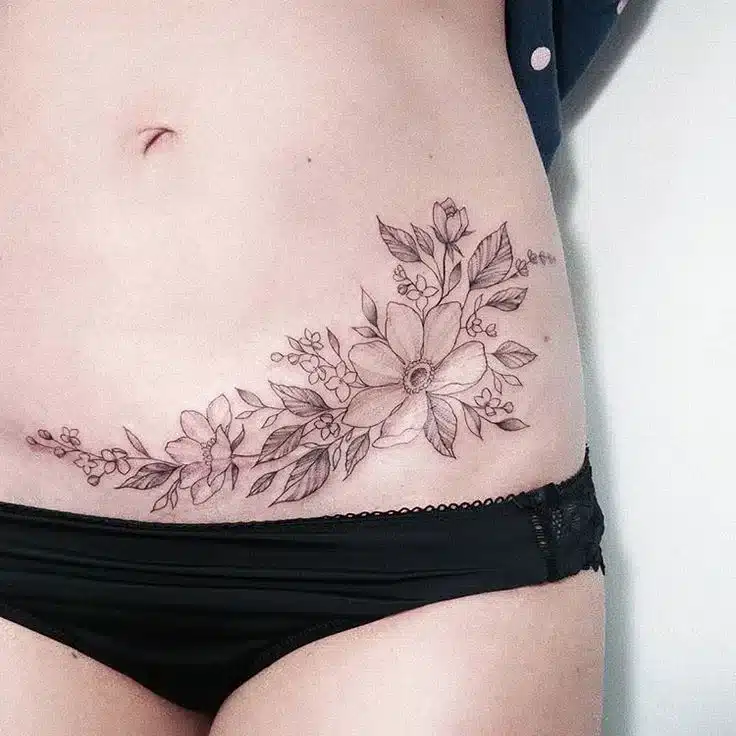
1. Floral Wraps for Surgical Scars
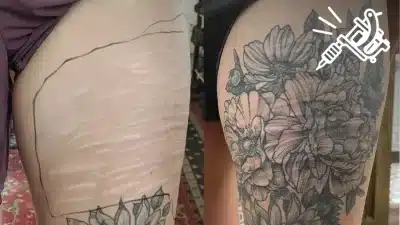
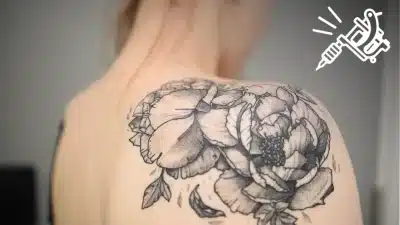
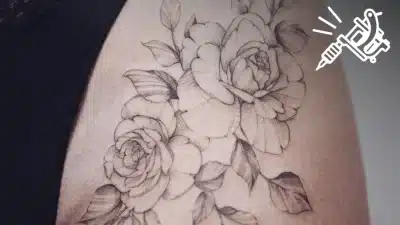
One of the most popular approaches: cascading flowers that wrap around a scar like a vine. Especially effective for long, linear surgical scars (think C-sections or orthopedic incisions), these designs soften and reframe the space with movement and color.
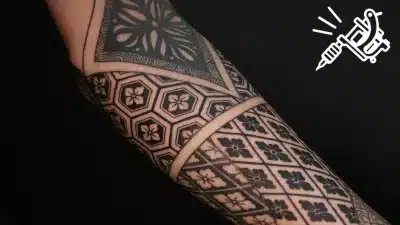
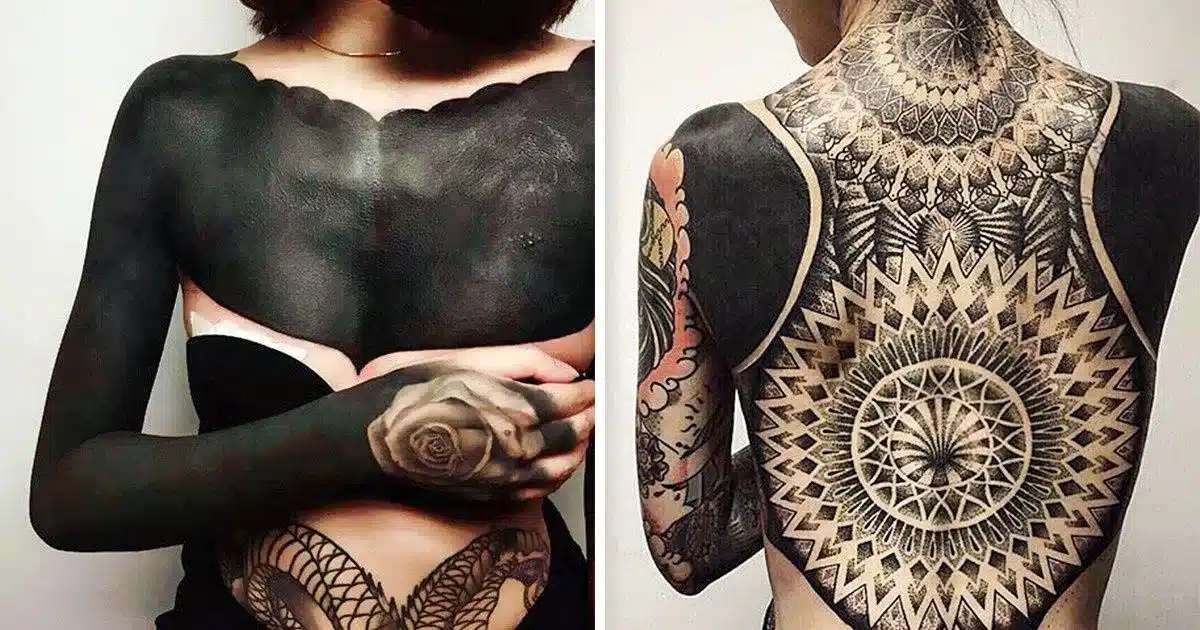
2. Mandala Geometry over Skin Grafts
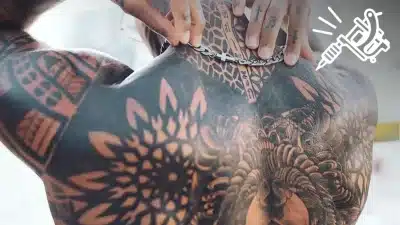
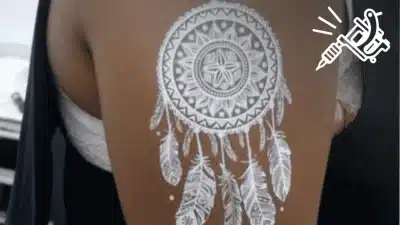
Mandala tattoos work well on larger, irregular scar areas because of their symmetry and structure. For grafted skin with different texture or tone, precise linework creates a mesmerizing focal point and brings balance.
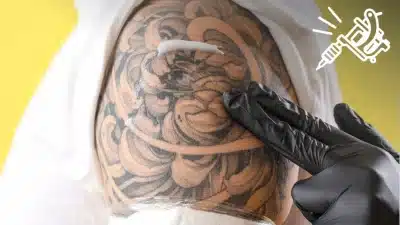
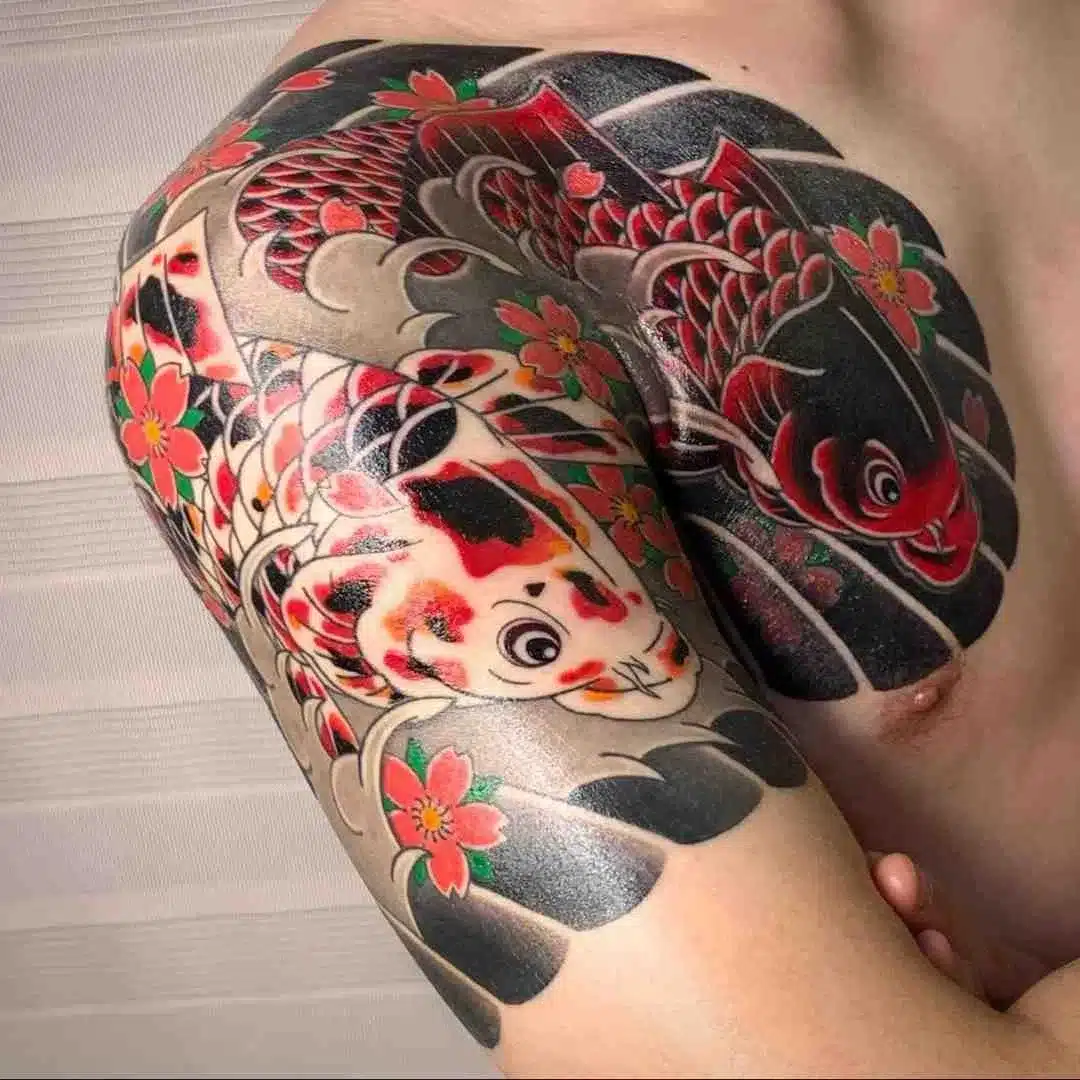
3. Japanese Irezumi for Burn Scars
The bold lines and shapes of traditional Japanese tattooing—like koi fish, dragons, or chrysanthemums—make excellent scar coverage, especially for burns. The dramatic composition draws the eye across the entire field, shifting focus away from texture differences.
4. Animal Motifs with Purpose
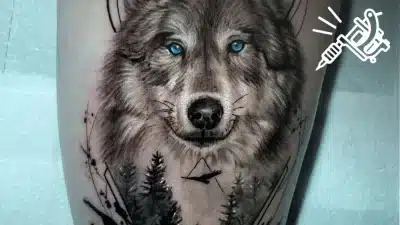
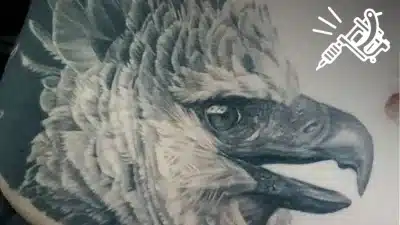
Whether a wolf for resilience or a phoenix for rebirth, animal tattoos carry deep symbolism—especially powerful when integrated with personal scars. Artists often customize the anatomy of the creature to fit and flow with scar patterns.
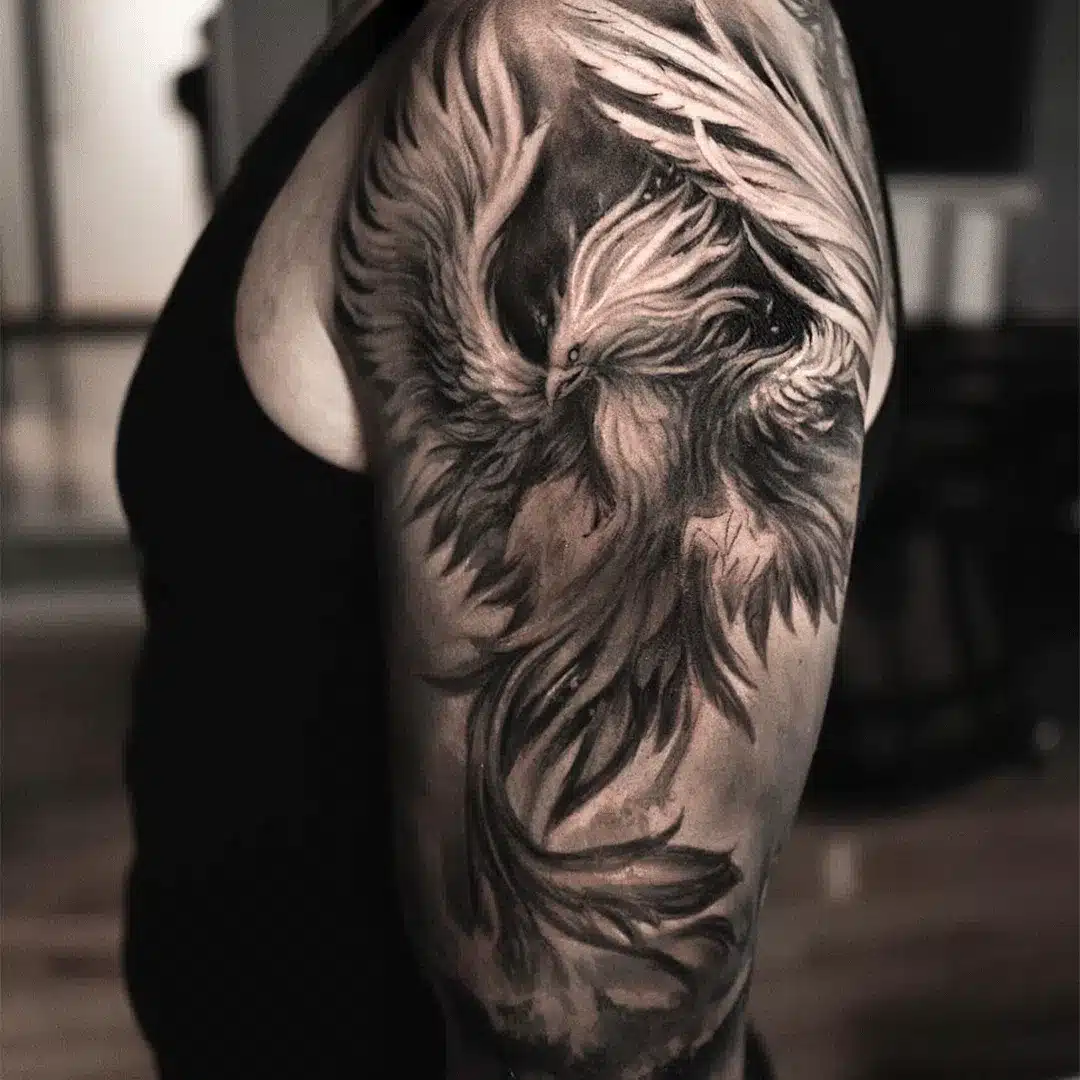
5. Negative Space Designs That Embrace the Scar
Not all scar covers are about hiding. Some artists use negative space to shape the tattoo around the scar itself, letting it become part of the narrative. This approach can feel honest and beautifully raw.
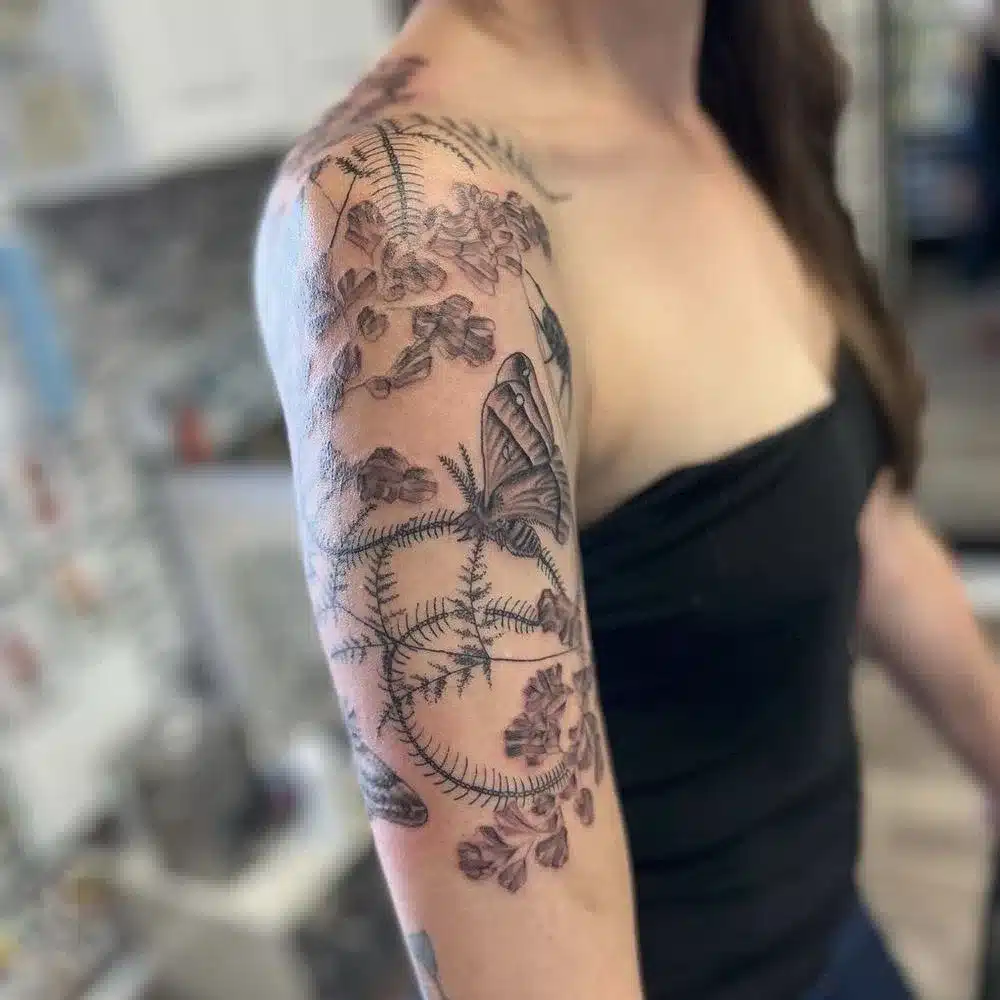
6. Botanical Illustrations for Self-Harm Scars
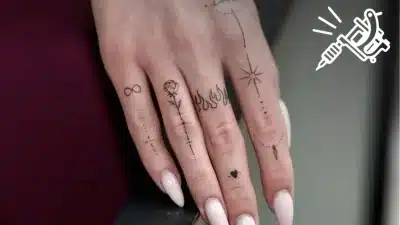
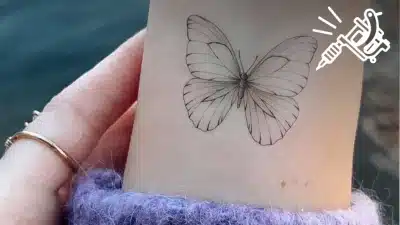
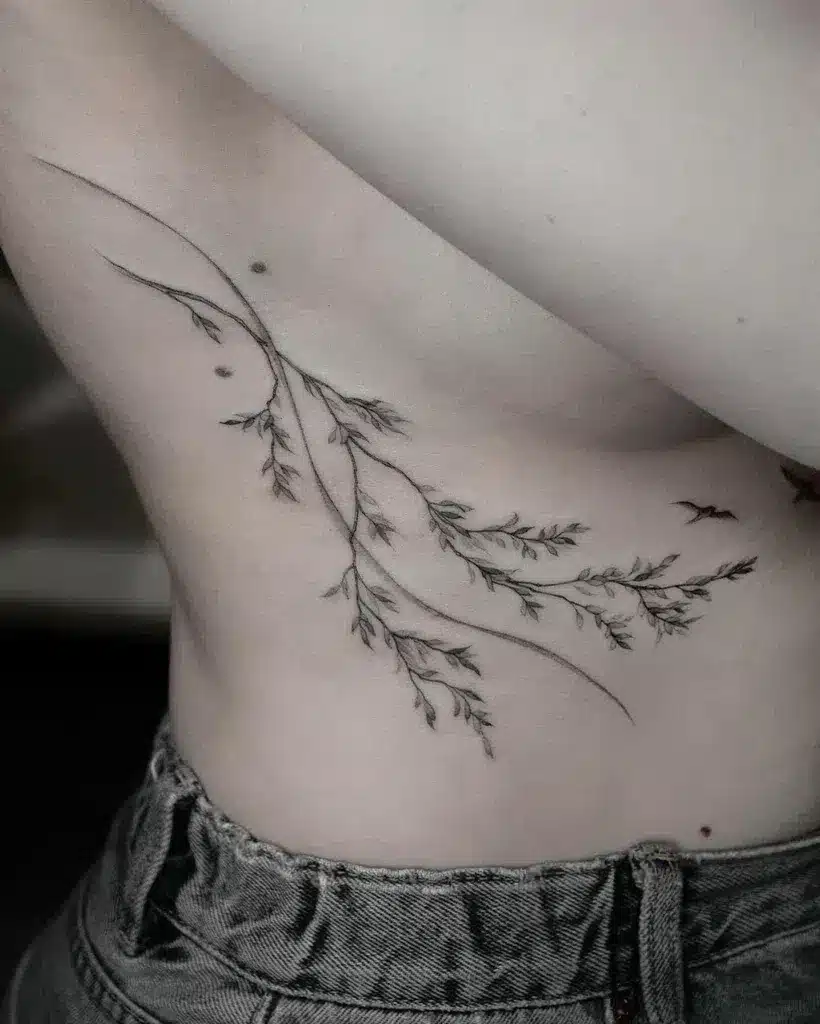
Fine-line plant motifs—like lavender, olive branches, or wildflowers—are a culturally resonant choice for self-harm scar coverage. The growth imagery reflects personal healing without drawing excessive attention.
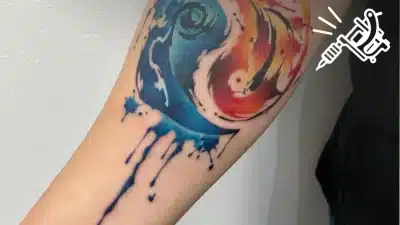
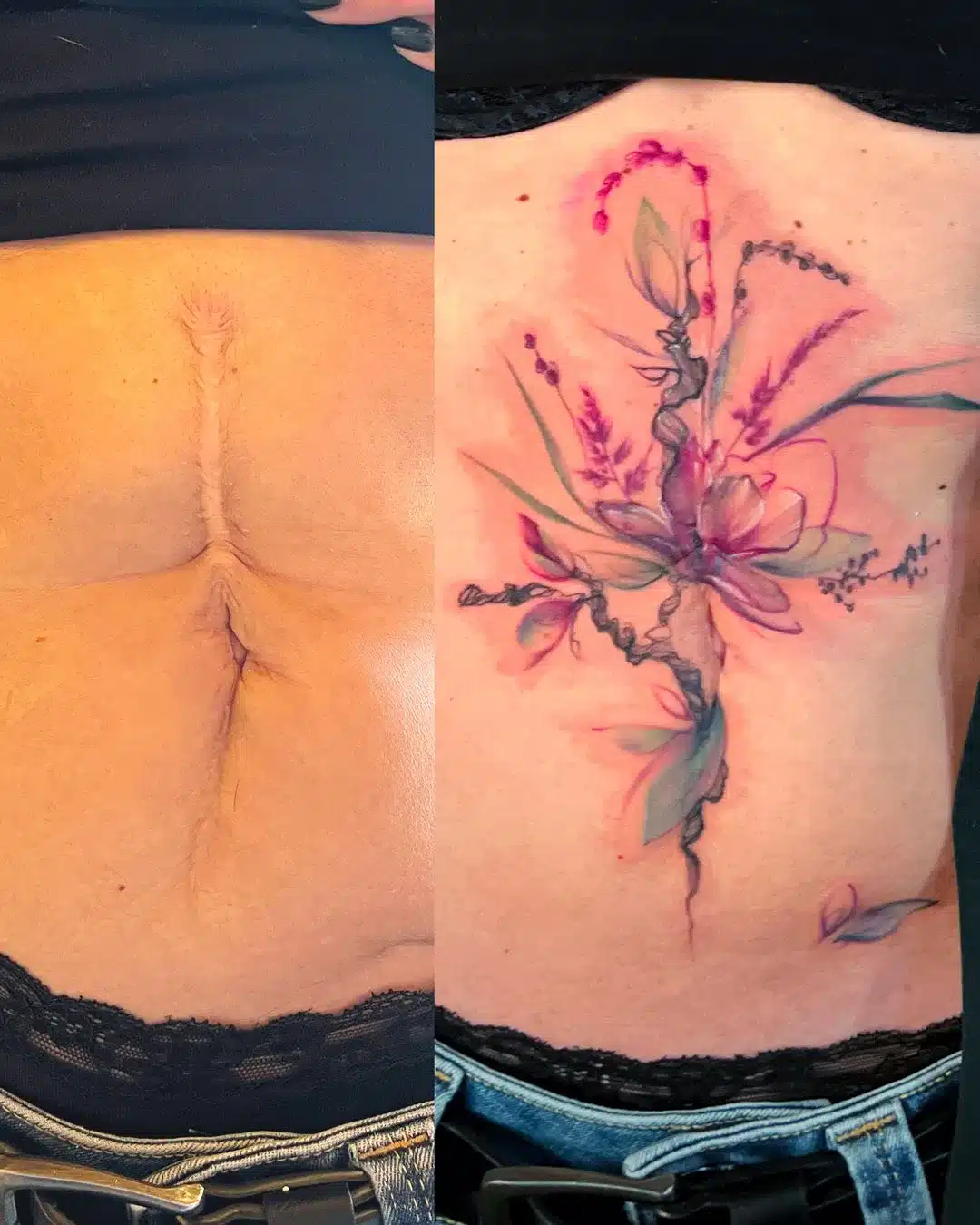
7. Abstract Watercolor Washes
This technique works best on non-raised, lighter-toned scars. Soft blends of blues, purples, or earth tones can flow across a scarred area like a brushstroke, more art than camouflage.
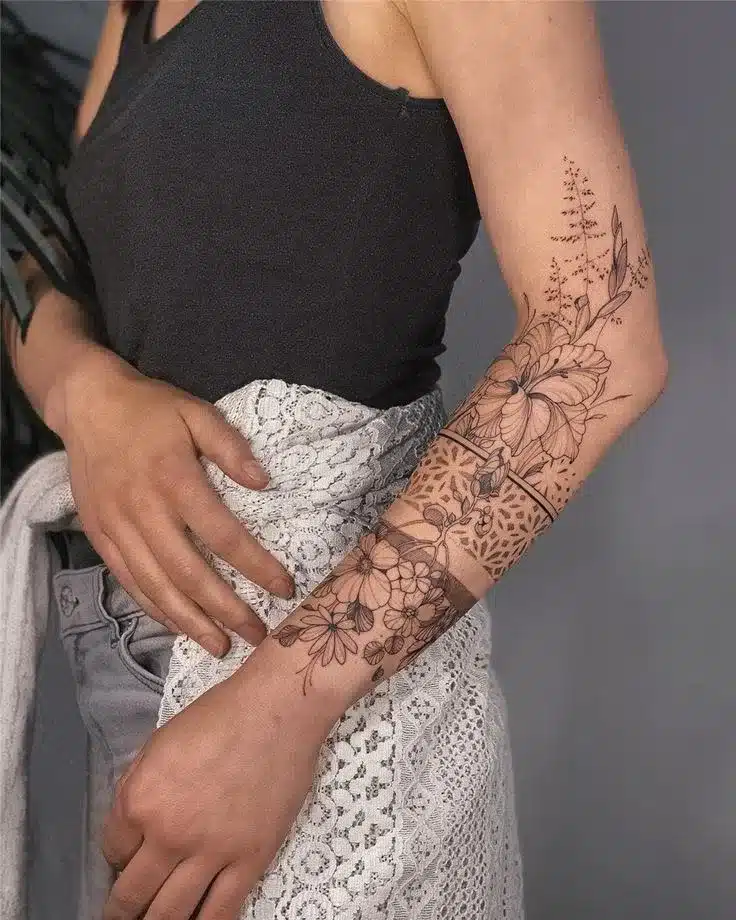
8. Lace and Textile Patterns
For those interested in femininity or fine detail, lace tattoos turn scars into something elegant and intricate. Especially effective across the chest or upper arms, where sheer patternwork can echo the body’s curves.
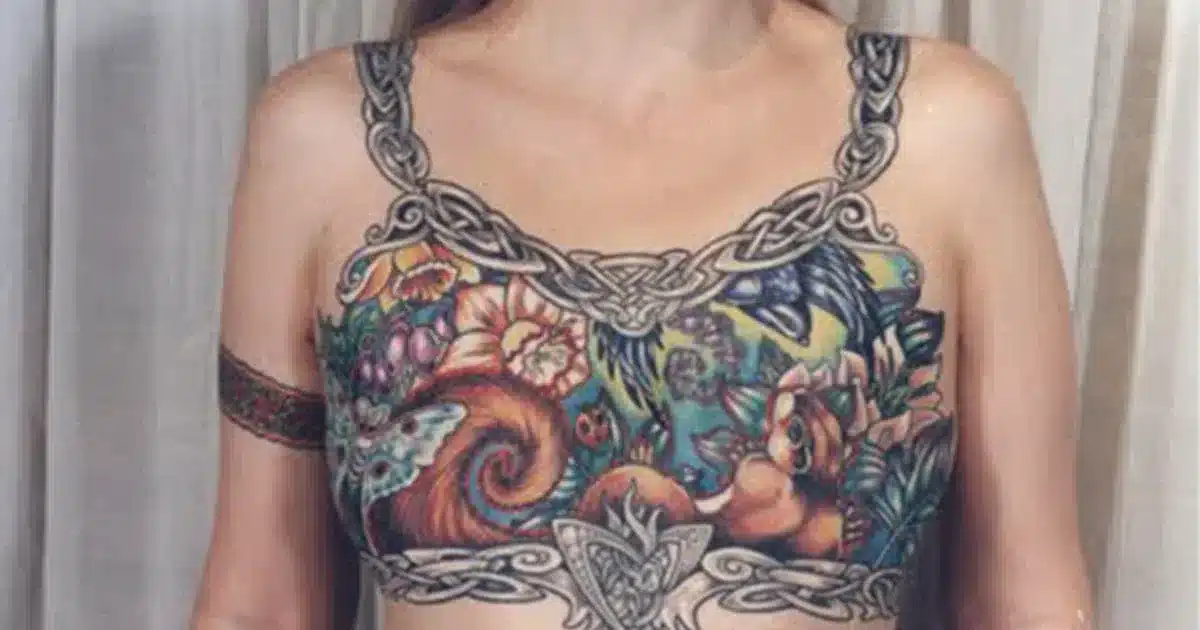
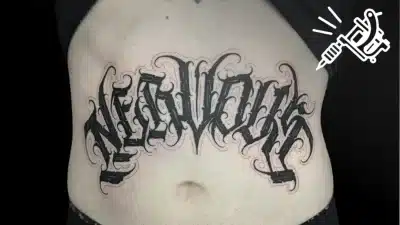
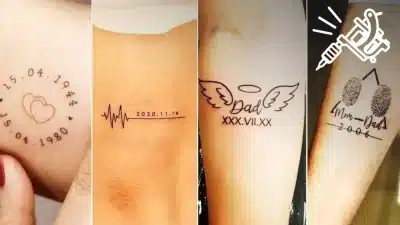
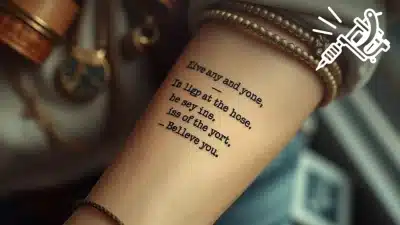
9. Script and Lettering with Personal Meaning
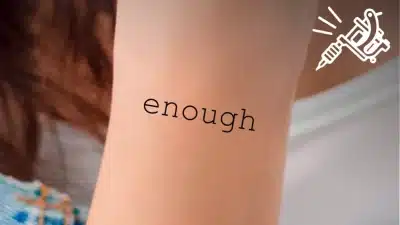
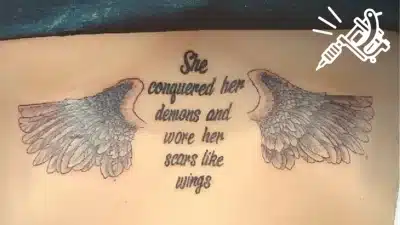
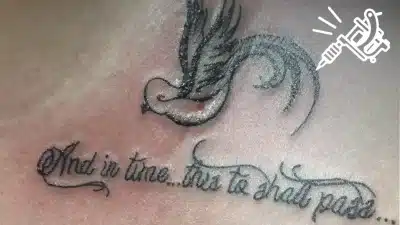
A meaningful phrase placed directly over or near a scar can serve as a daily affirmation. Paired with minimal design work, it’s a subtle but emotionally resonant approach.
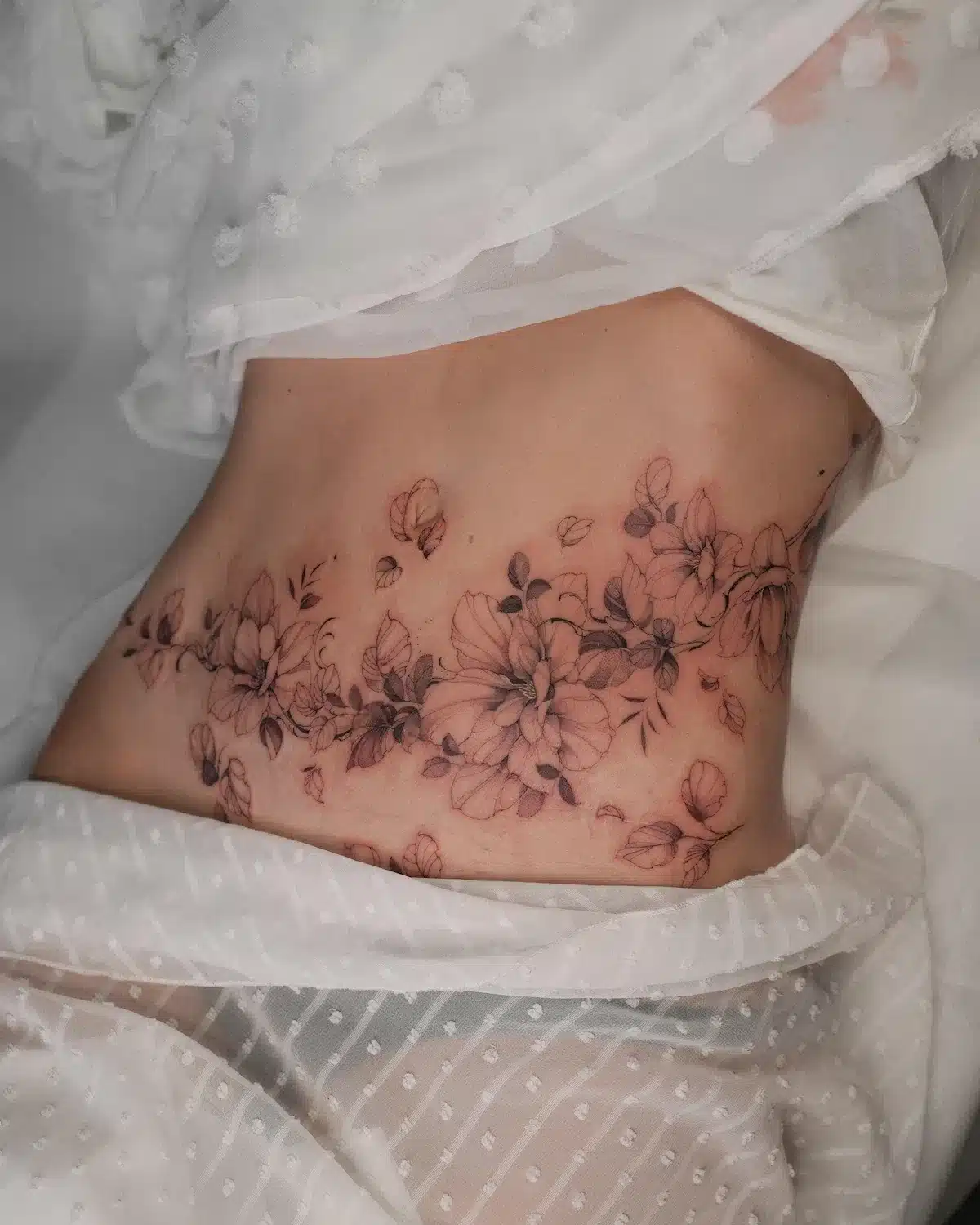
10. Integration into Existing Work
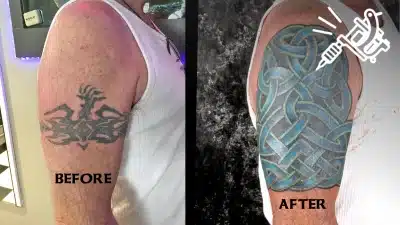
For clients with pre-existing tattoos, experienced artists can incorporate the scar area into a larger story—tying in colors, themes, and edges for a seamless final piece.
Scar cover tattoos are more than cosmetic—they’re intimate collaborations between owner and artist. And when done thoughtfully, they don’t erase what’s happened. They elevate it.