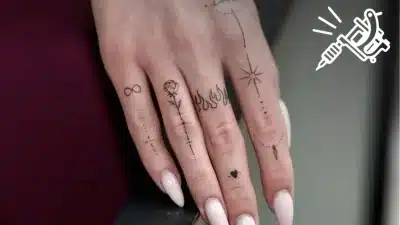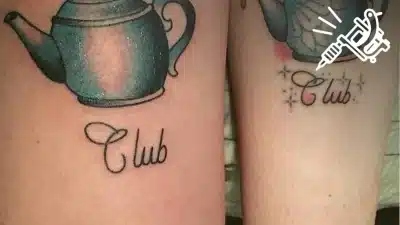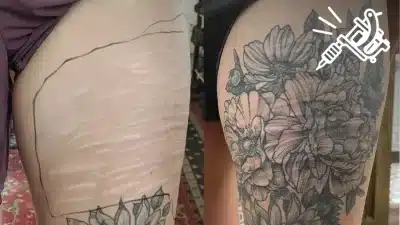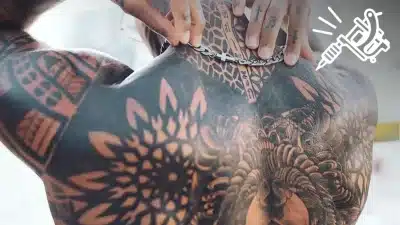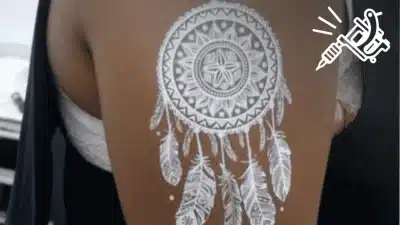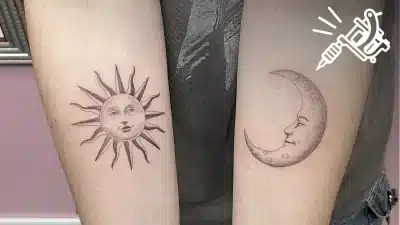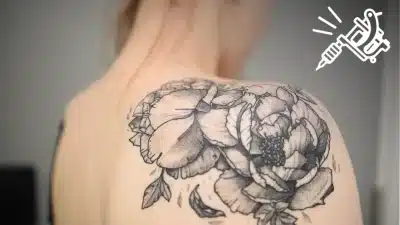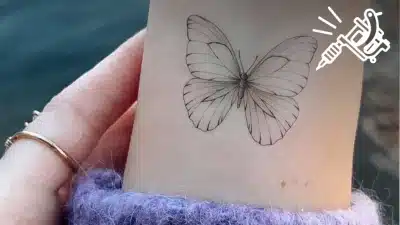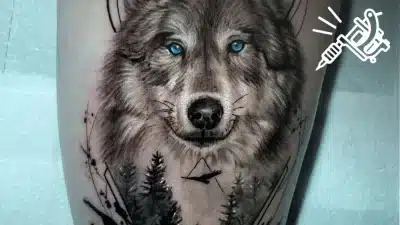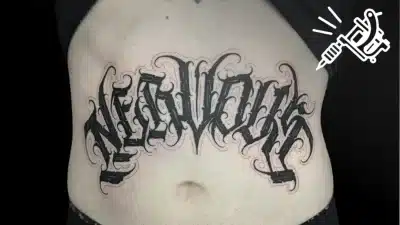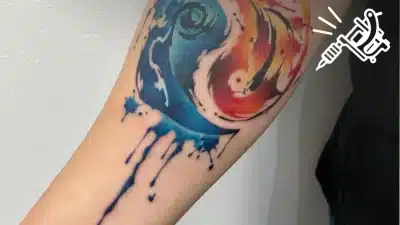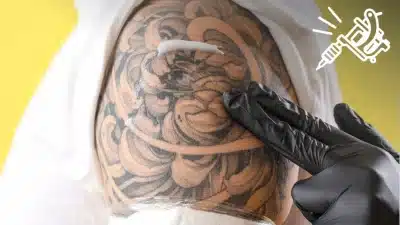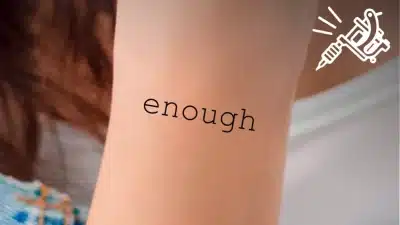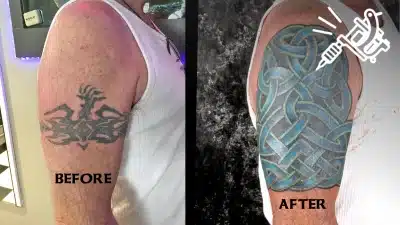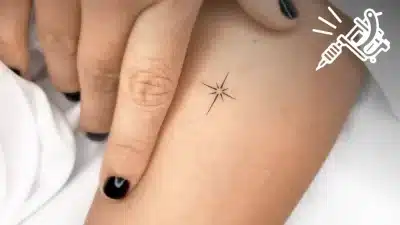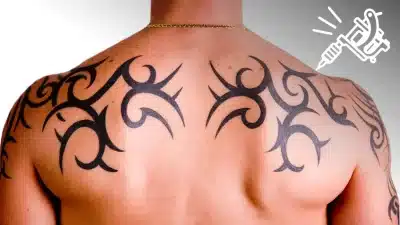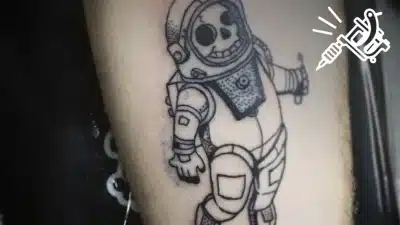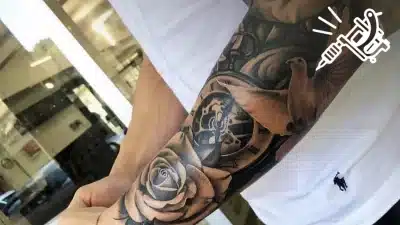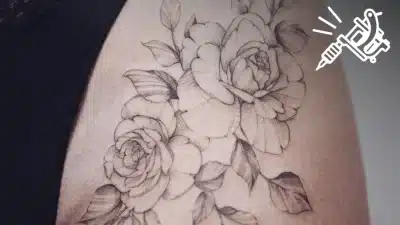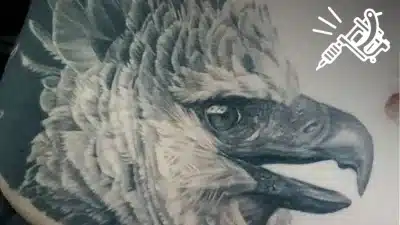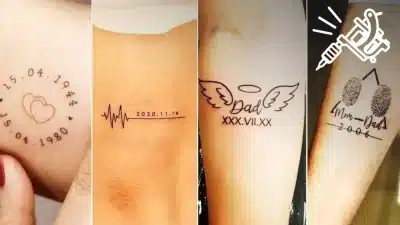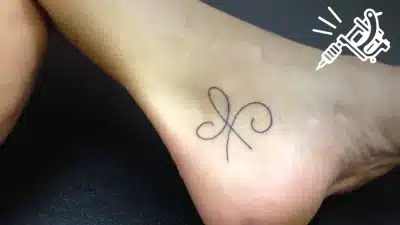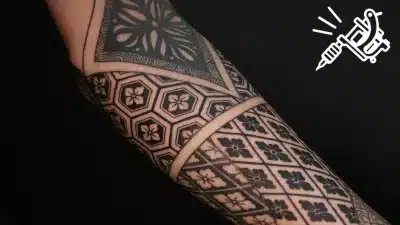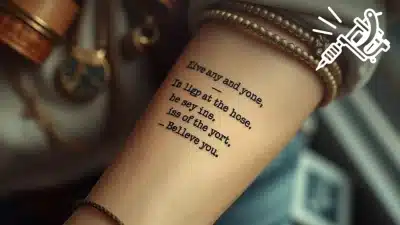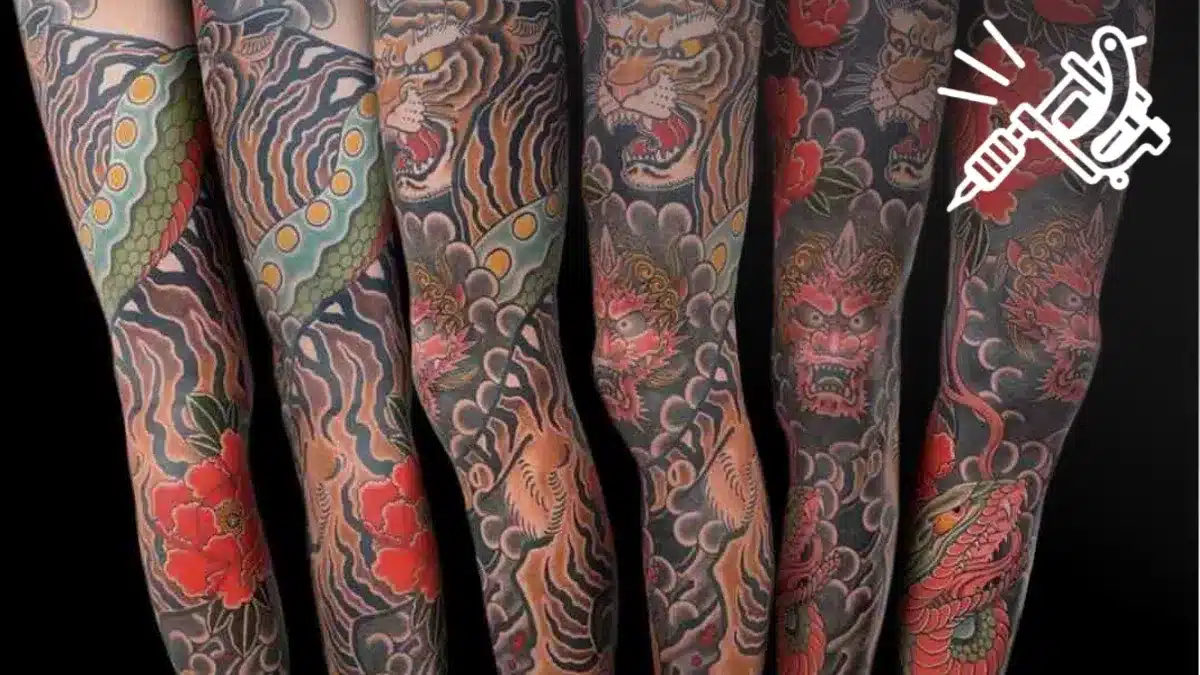
Start with one piece or fill it all in—sleeve tattoos don’t happen by accident. Whether you’re eyeing blackwork geometry, a floral wraparound, or illustrative patchwork, planning ahead can save you money, time, and pain. Here are five steps that can help anyone build a sleeve that actually flows.
Your Sleeve Planner: 5 Steps From First Tattoo to Full Arm
Sleeves are big commitments—but with the right structure, they don’t have to be overwhelming. Here’s how to go from scattered ideas to a full-arm masterpiece that feels intentional and looks cohesive.
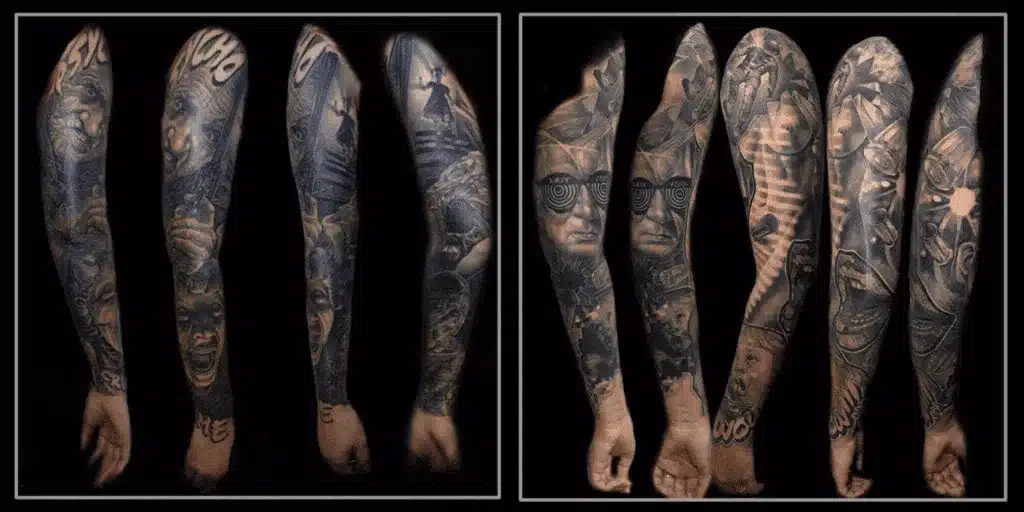
1. Find Your Concept, Not Just a Theme
You don’t need a complete narrative, but sleeves feel more artful when they follow a guiding idea—whether visual, emotional, or symbolic. It might be as literal as “marine life” or as abstract as “grief and renewal.”
Things like personal interests, travel, literature, and family history often spark long-lasting concepts. Start a folder on your phone and save anything that feels resonant.
2. Choose Your Style—and Stick to One
Mixing styles randomly (like fine line with biomech or realism with cartoon) can get messy fast. Gel your sleeve by choosing one main style—say, neotraditional, blackwork, or illustrative—and building around it. Once locked in, it’ll guide your artist roster and design flow.
3. Pick an Anchor Piece First
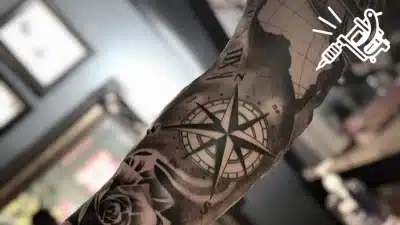
The first tattoo on your arm matters more than most. Strategic placement of a large “anchor” piece—usually the shoulder, outer bicep, or forearm—lets you branch out later in a balanced way. Choose a meaningful motif and imagine how other tattoos might connect to, or radiate out from, this central design.
4. Plan the Flow—Not Just the Fill
Many get caught up adding individual tattoos without thinking about how the whole sleeve will move. A good sleeve reads like a single canvas. That means:
- Using background elements (like smoke, filigree, or dotwork) to link pieces
- Matching scale and density across the arm
- Designing with muscle flow and movement in mind
5. Collaborate Closely With Your Artist—Maybe More Than One
Tattoo artists are collaborators, not service providers. A full sleeve may take one artist or several, depending on style and availability. Build trust with your main artist, share your vision, and ask how they’d map it. Many offer custom digital layouts or pencil drafts before inking.
A sleeve takes time—but done right, it becomes a wearable opus. Don’t rush. Focus on intention, and let your arm grow into a personal gallery worth every hour in the chair.