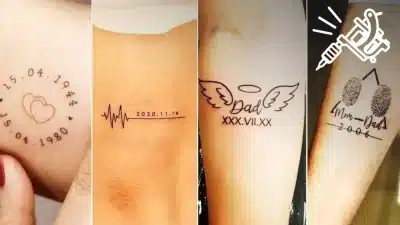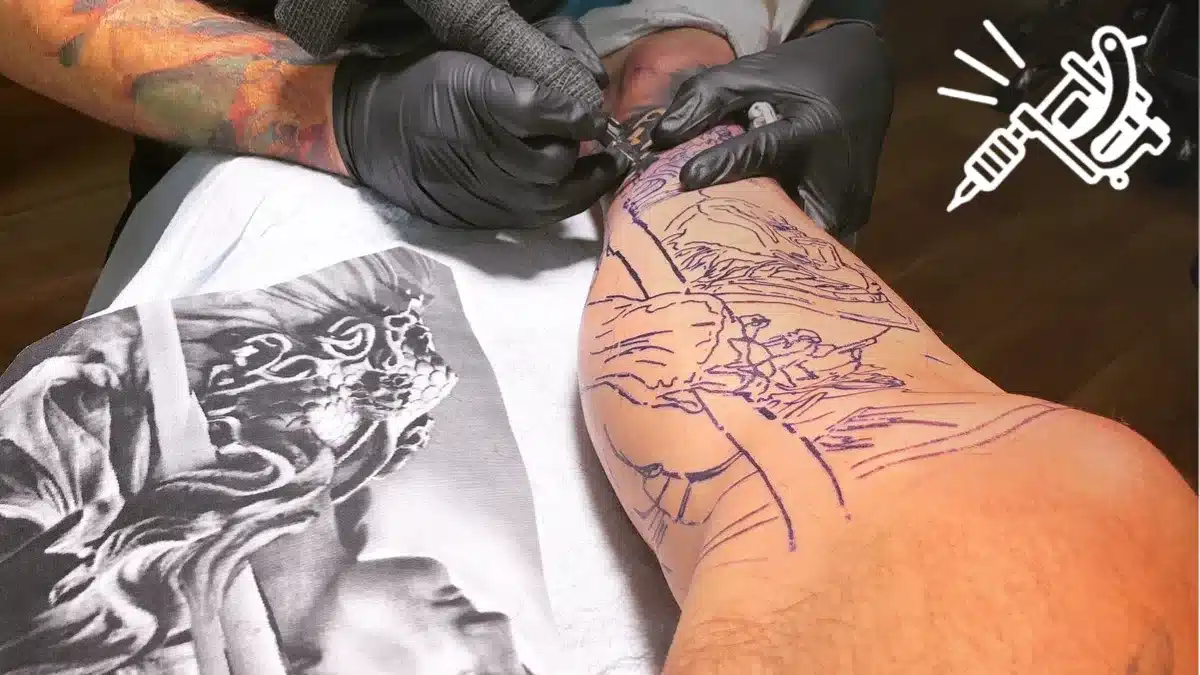
Getting tattooed is more personal than most beauty rituals. You’re not just getting artwork — you’re collaborating with a living artist, often for hours in a vulnerable setting. Whether it’s your first ink or your fifteenth, good etiquette matters. Here’s what to know before your next session.
Tattoo Etiquette 101: What Artists Really Want You to Know
Tattooing has its own language and unwritten rules. While each studio is different, these essentials apply just about everywhere. Respect these, and your session will go smoother for you and your artist.
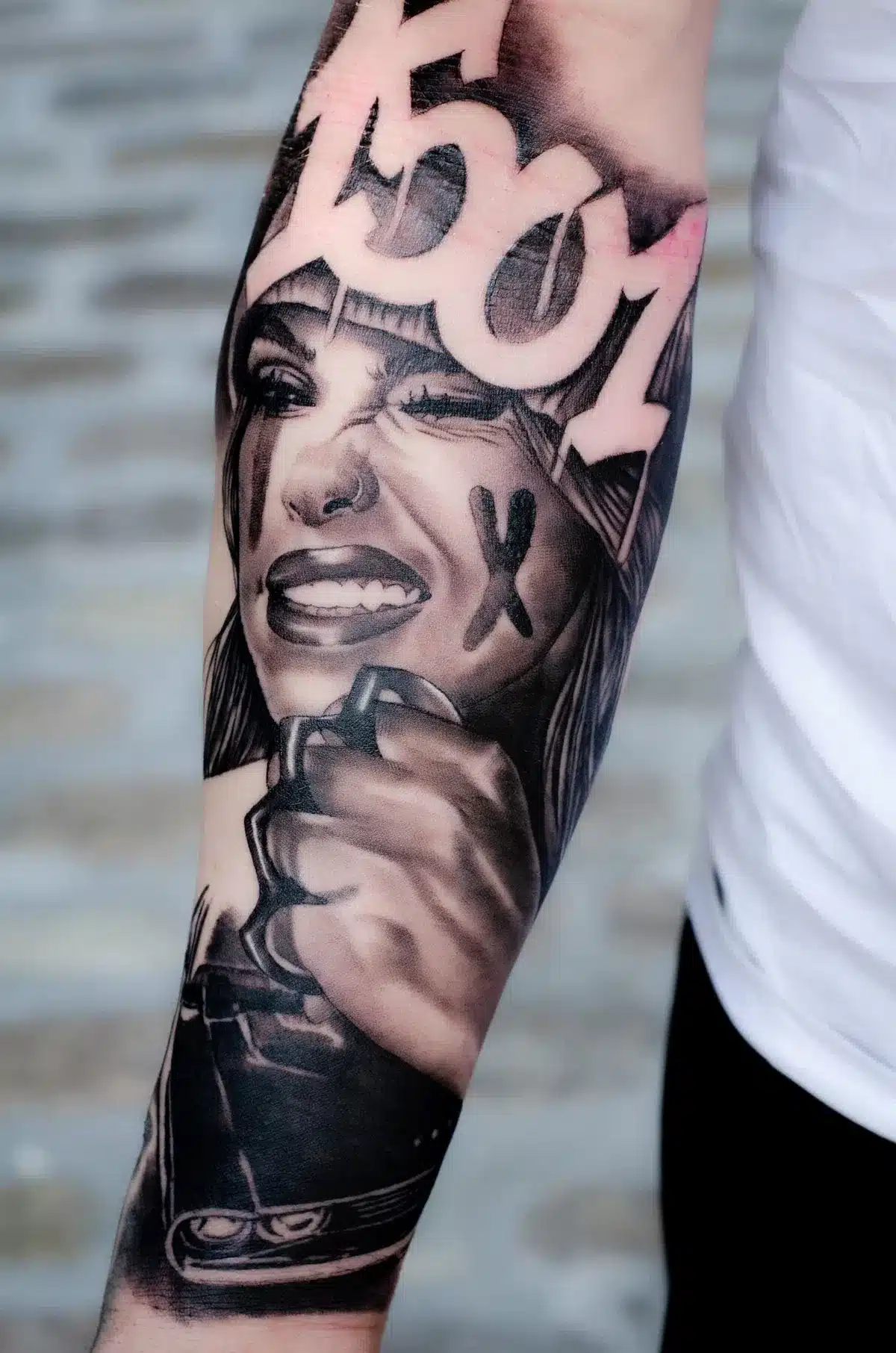
Tip like you’re at a high-end salon
Tipping isn’t optional. Most artists expect 15–25 percent, depending on the scope of the piece, time spent, and your experience. Flash designs or larger custom work often call for more. If your budget is tight, communicate that upfront — but never skip tipping entirely.
Don’t ghost your appointment
Last-minute cancellations are a nightmare for artists who rely on scheduled work for their income. Give at least 48 hours’ notice — more if possible. A no-show affects not just your relationship but the whole day’s schedule.
Yes, you need to shower first
Clean skin is a sign of respect. Body odor, lotions, or fake tans can interfere with the tattooing process (and comfort everyone involved). Just like you’d prep for a doctor’s visit or a facial, come clean — literally.
Leave your entourage at home
Some studios allow one supportive friend, but most prefer a solo client. Why? Crowds distract the artist and limit space. Always ask first if you need someone with you — and never film the session unless you have clear permission.
Photos are not currency
Loving your artist’s work on Instagram? That doesn’t mean it’s yours to copy. Always tag artists when sharing your new tattoo, but never lift their designs without asking. Ethical clients credit the creator — publicly and privately.
Respect the process — and the breaks
Some sessions run hours long. Artists know when they need to pause, stretch, or eat — and so do you. Don’t rush back in or keep silent if you’re in pain. Good etiquette includes open, honest communication.
Your body, their canvas — collaborate, don’t micromanage
You’re allowed to have opinions. But trust your artist’s skill — it’s why you chose them. Avoid constantly moving, nitpicking outlines, or directing each line. A tattoo isn’t a haircut. The process requires trust and some creative leeway.
Don’t haggle
Tattooing is bespoke labor, not a bargain bin. Bargaining devalues the artist’s time, materials, and years of experience. If the price is out of range, say so — many artists offer smaller-scale options or suggest ways to save up.
Healing is part of the etiquette
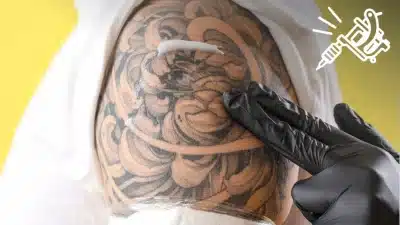
Your responsibility doesn’t end when you leave the chair. Follow aftercare to prevent infection, fading, or scarring — and avoid messaging your artist at midnight over a red spot. If something seems wrong, send a clear photo and ask during business hours.
Getting tattooed builds a unique bond — one that only thrives with mutual respect. When you approach the process with intention and courtesy, your results (and relationships) last a lifetime.