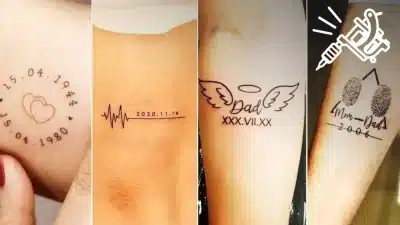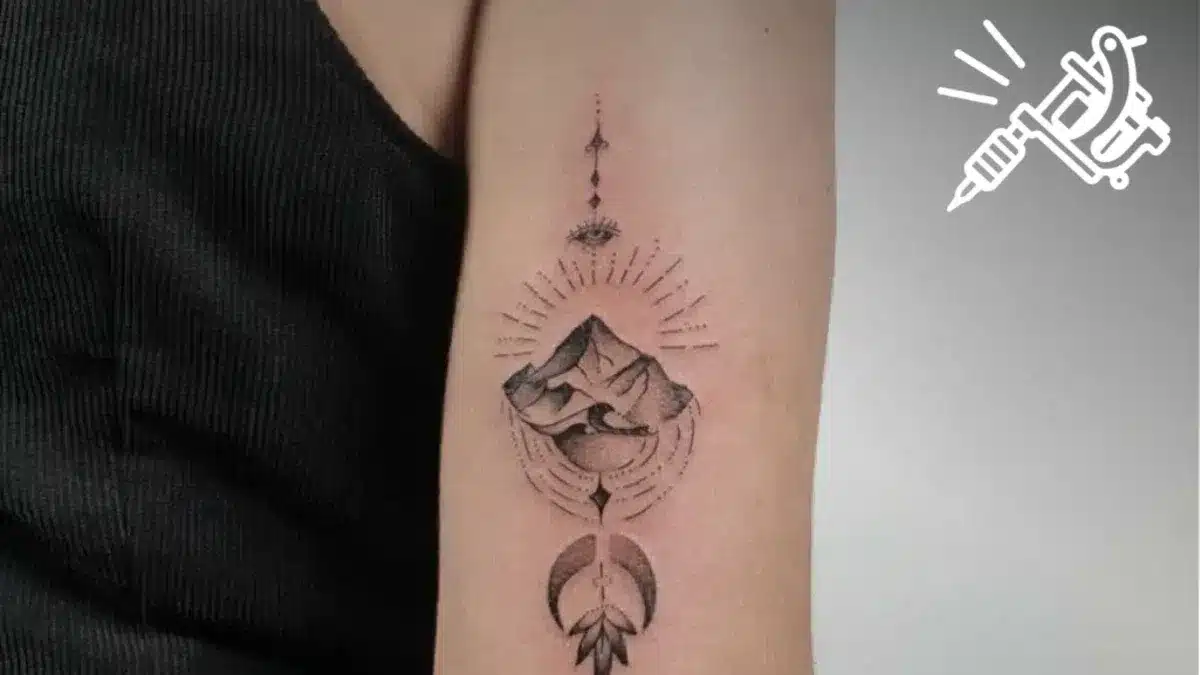
Where you place your tattoo can say as much as the design itself. It’s not just about visibility or pain tolerance—tattoo placement has evolved into a form of personal expression, often revealing bits of your personality, mindset, or lifestyle without saying a word. Here’s what your tattoo’s location might be saying about you.
What Your Tattoo Placement Could Say About You
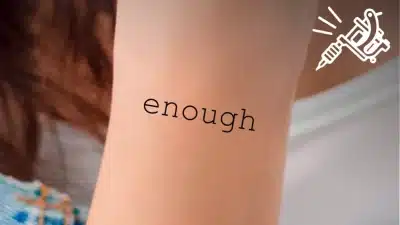
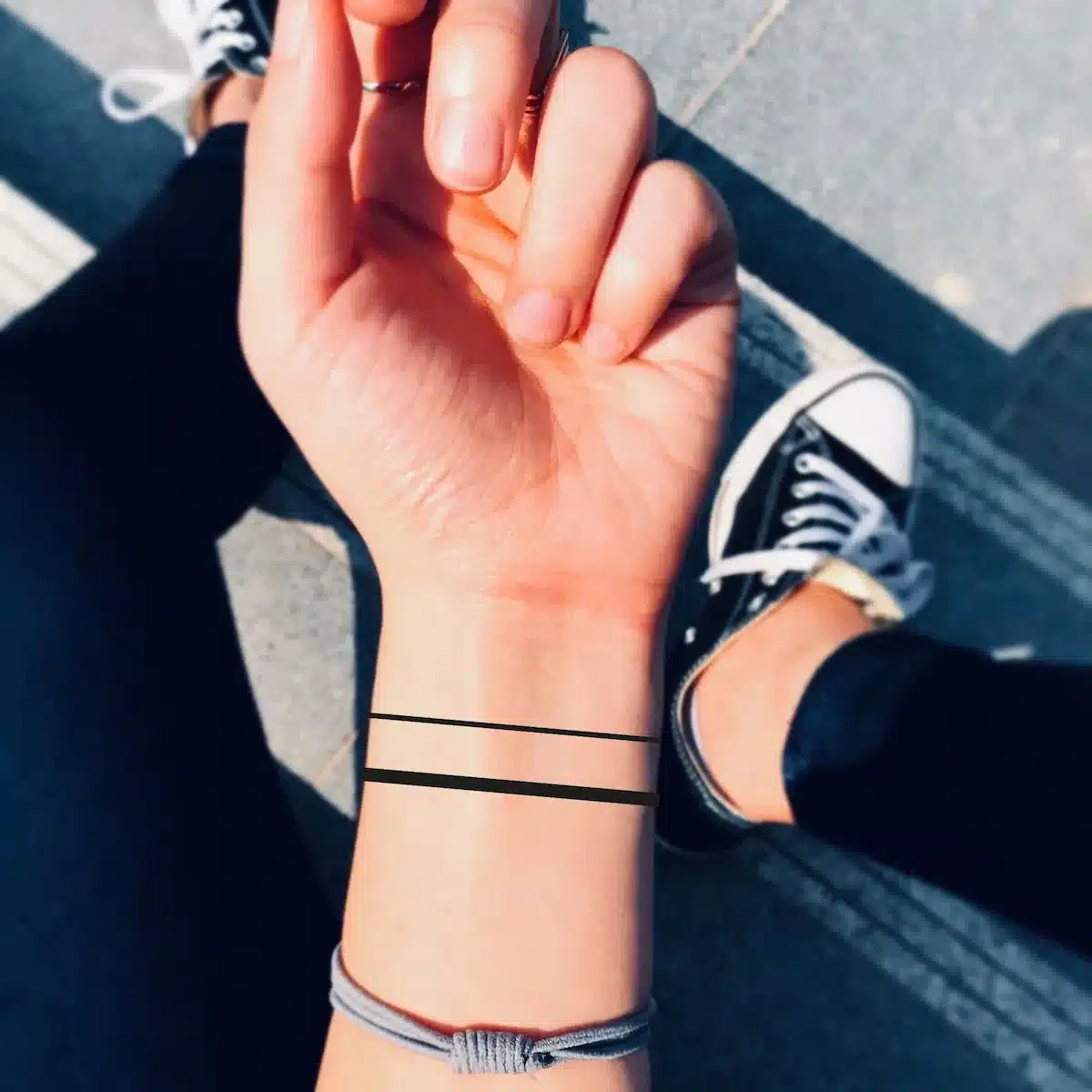
Wrist
Delicate and revealing. Wrist tattoos suggest openness and thoughtfulness. This spot is often chosen for meaningful words, symbols, or minimalist designs. It’s a place of emotional significance—always visible, yet still intimate.
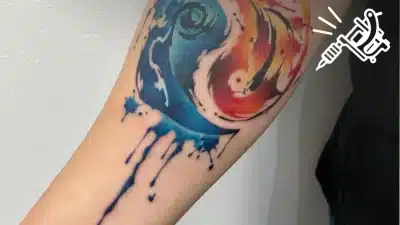
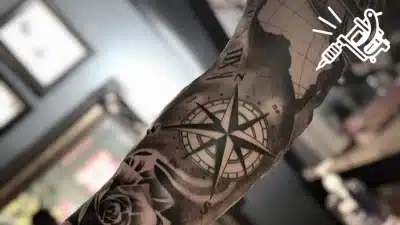
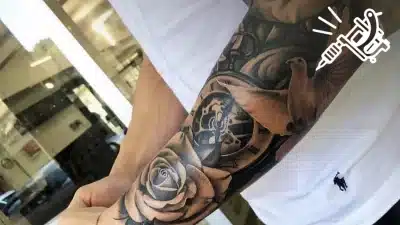
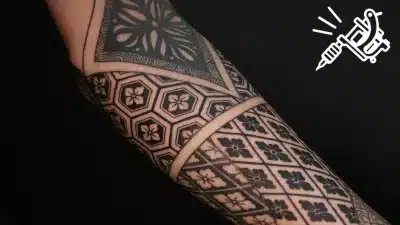
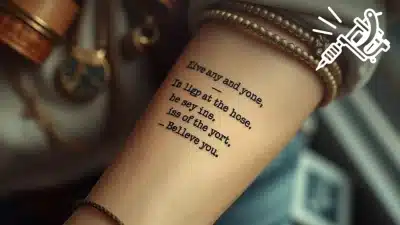
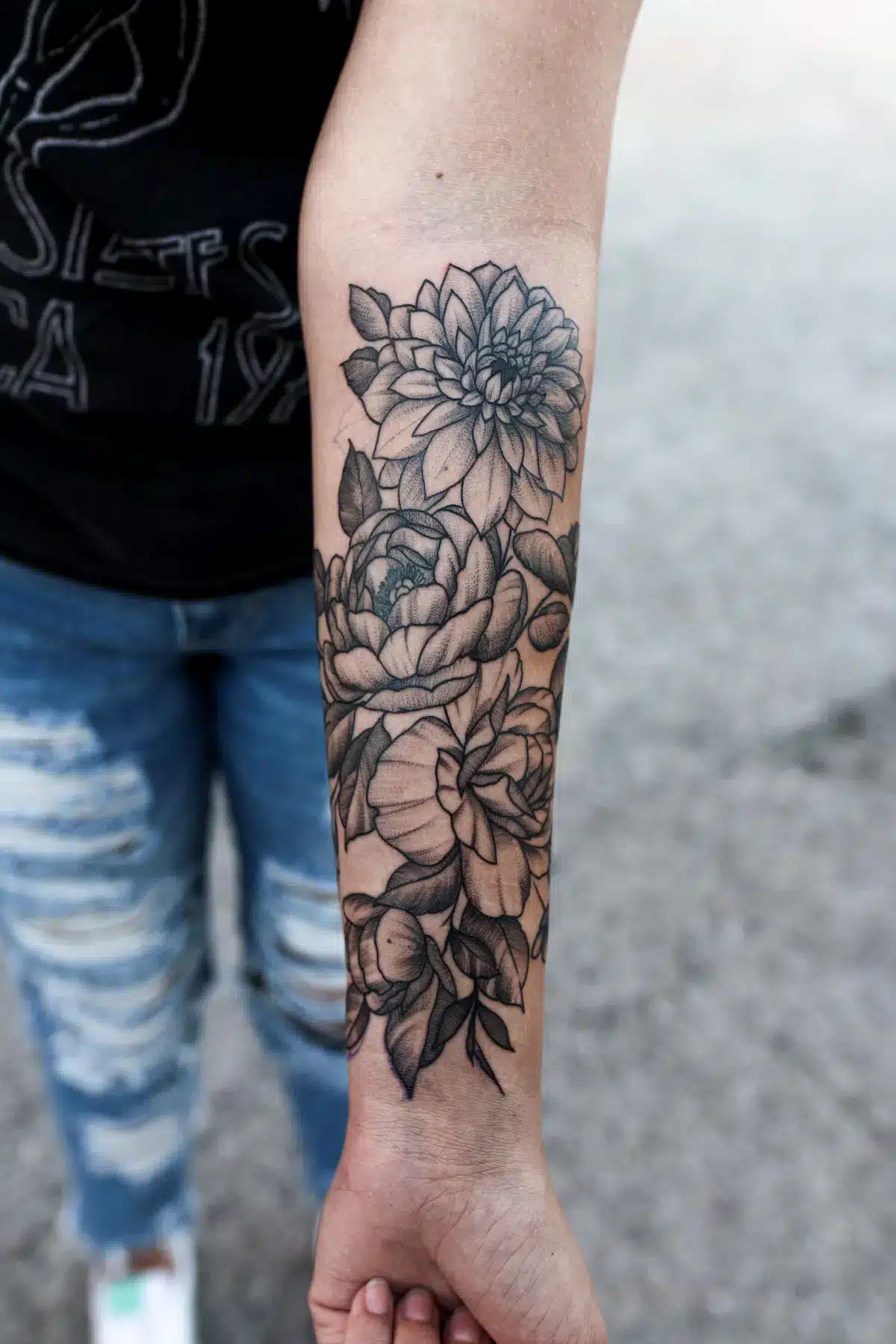
Forearm
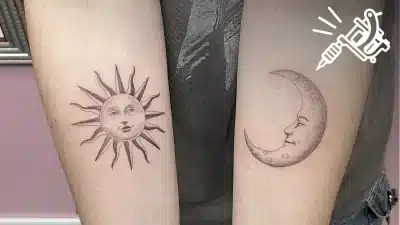
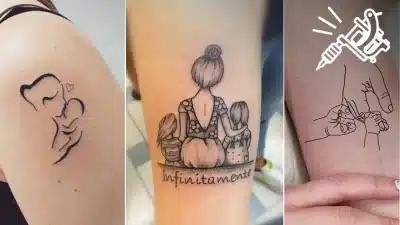
Confident but approachable. The forearm is one of today’s most expressive spots, frequently used for intricate art or typography. A visible yet “soft” area, it signals intention, artistry, and a willingness to be seen—but not scream for attention.
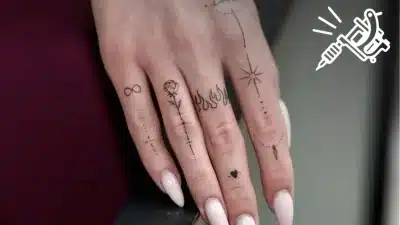
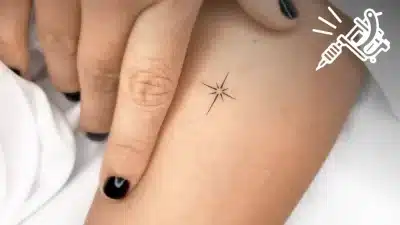
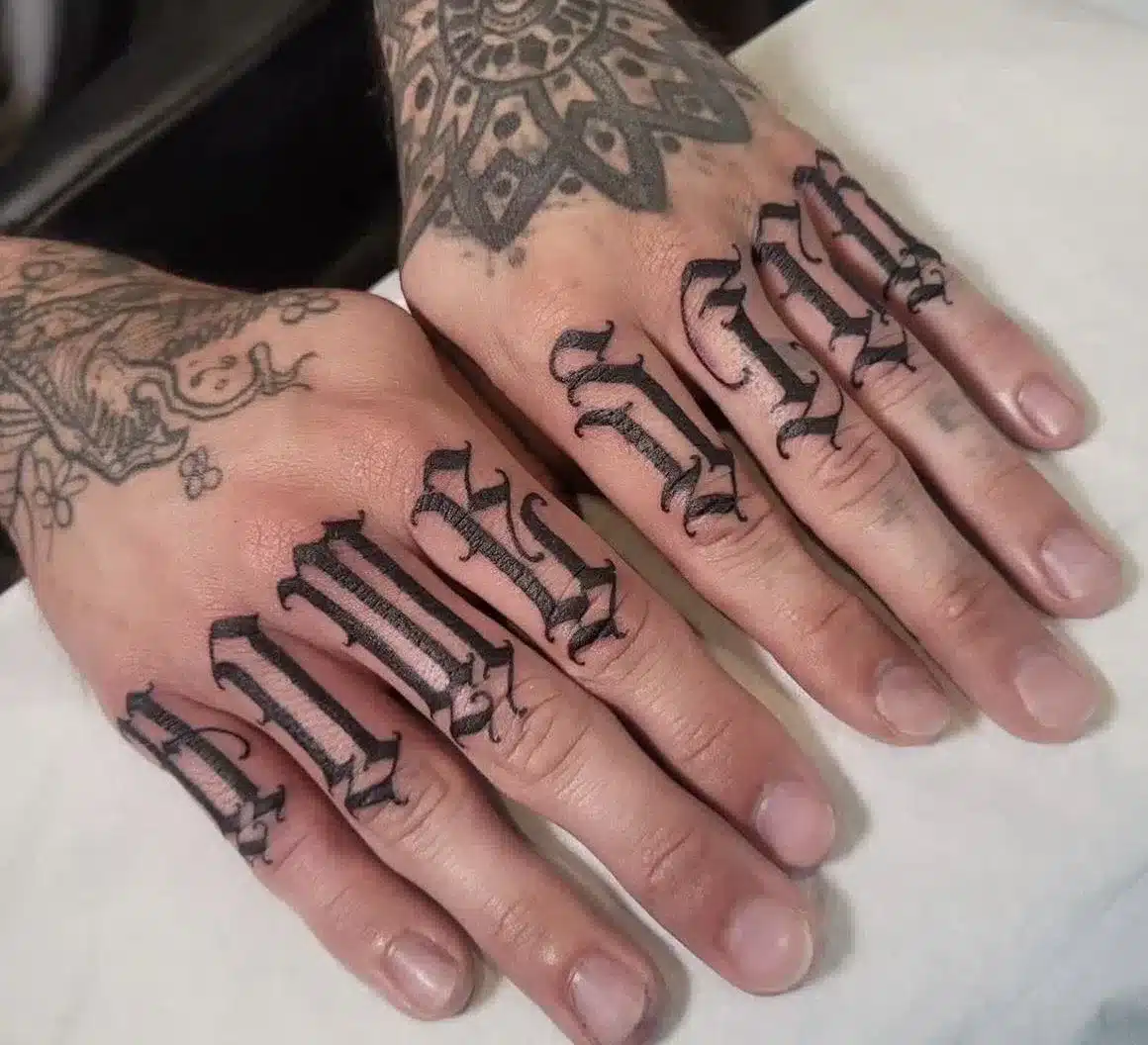
Fingers
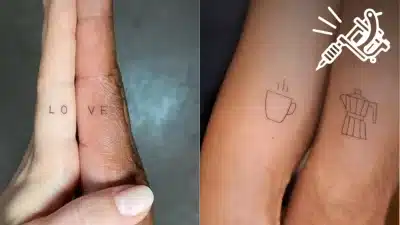
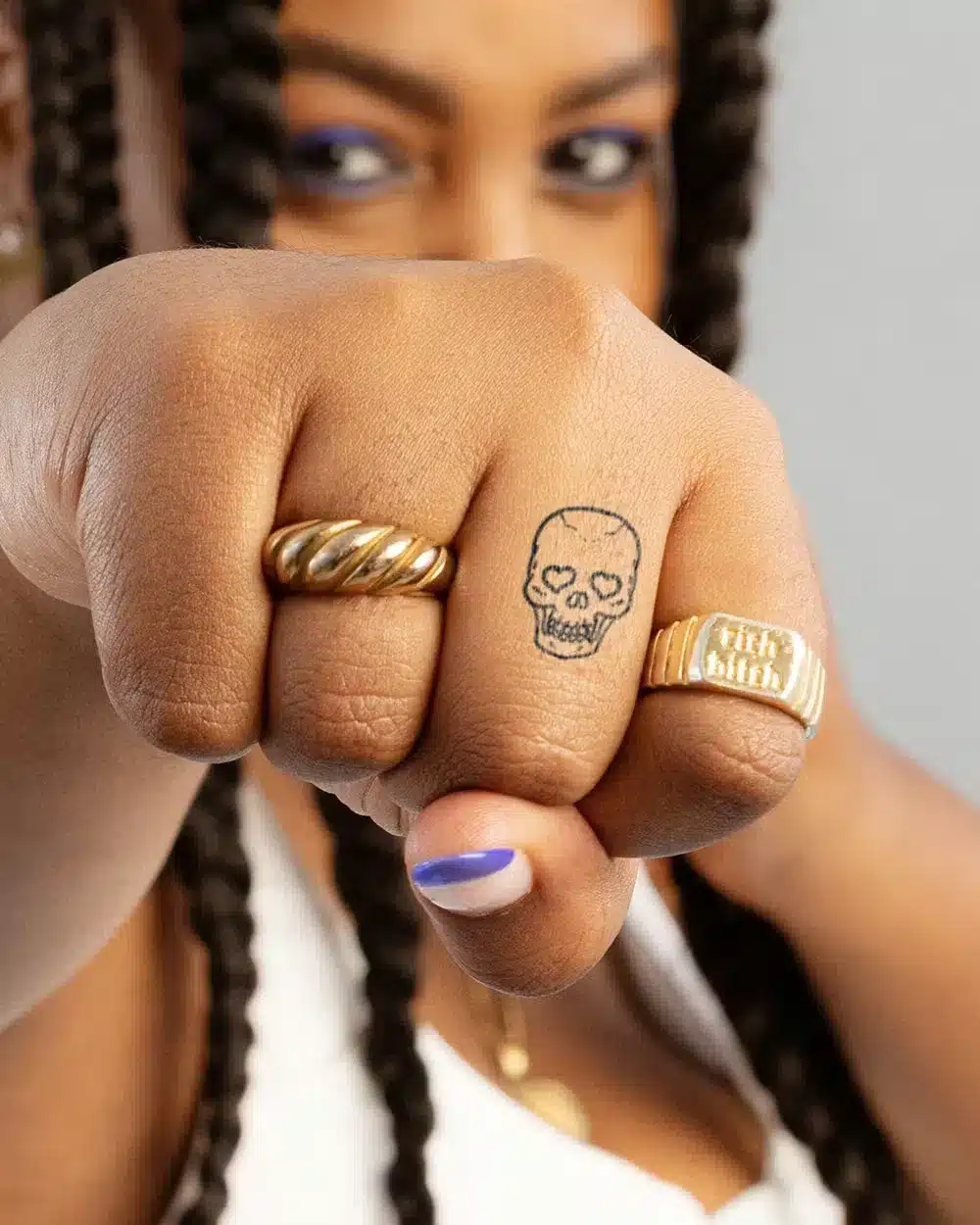
Subtle and bold at once. Finger tattoos, from delicate dots to Roman numerals or tiny symbols, speak to someone with a minimalist aesthetic and sharp personal branding. They’re edgy but elegant—and usually favored by creatives or nonconformists.
Neck
Fearless and unapologetic. Neck tattoos signal major commitment and an “I-am-who-I-am” attitude. Whether it’s behind the ear or front-and-center, this placement is often chosen by people with a clear identity or message to convey.
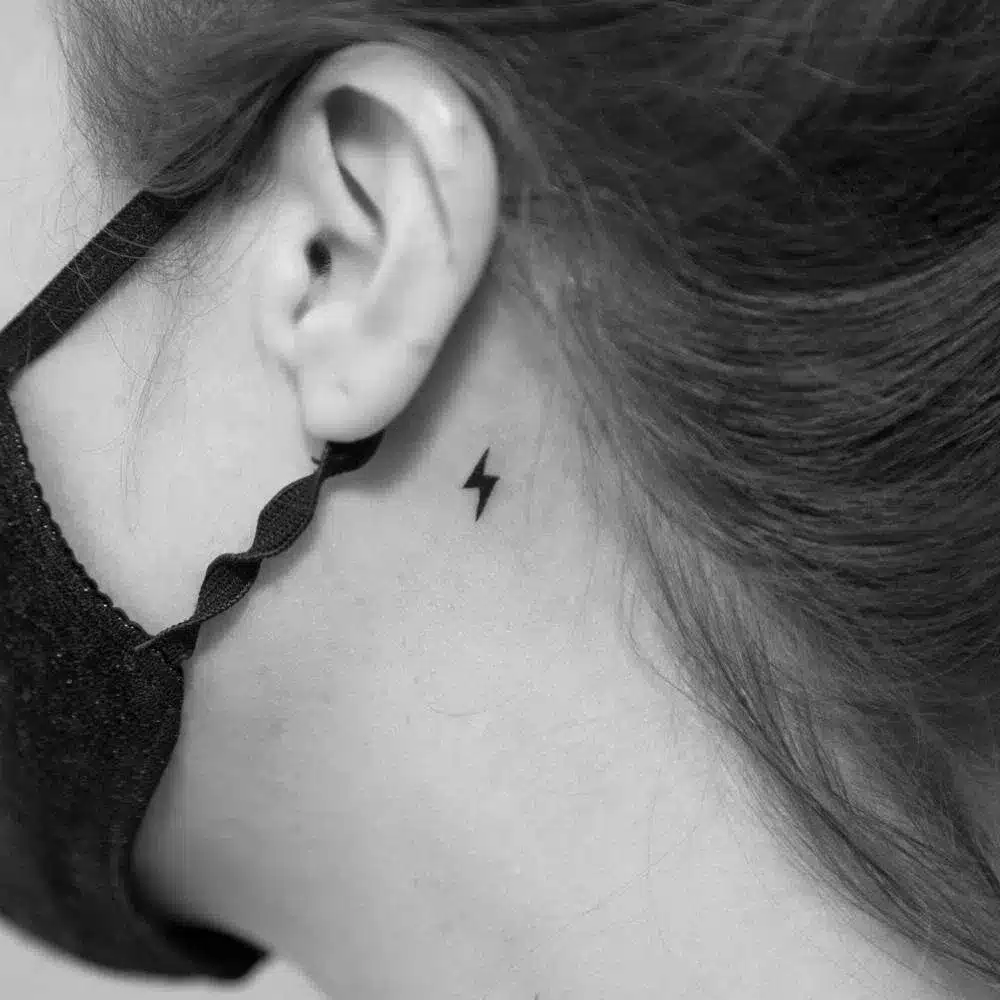
Behind the Ear
Intimate and mysterious. Tattoos here are easily hidden, often small and symbolic. This area is for something deeply personal—a whisper of identity meant only for those close enough to notice.
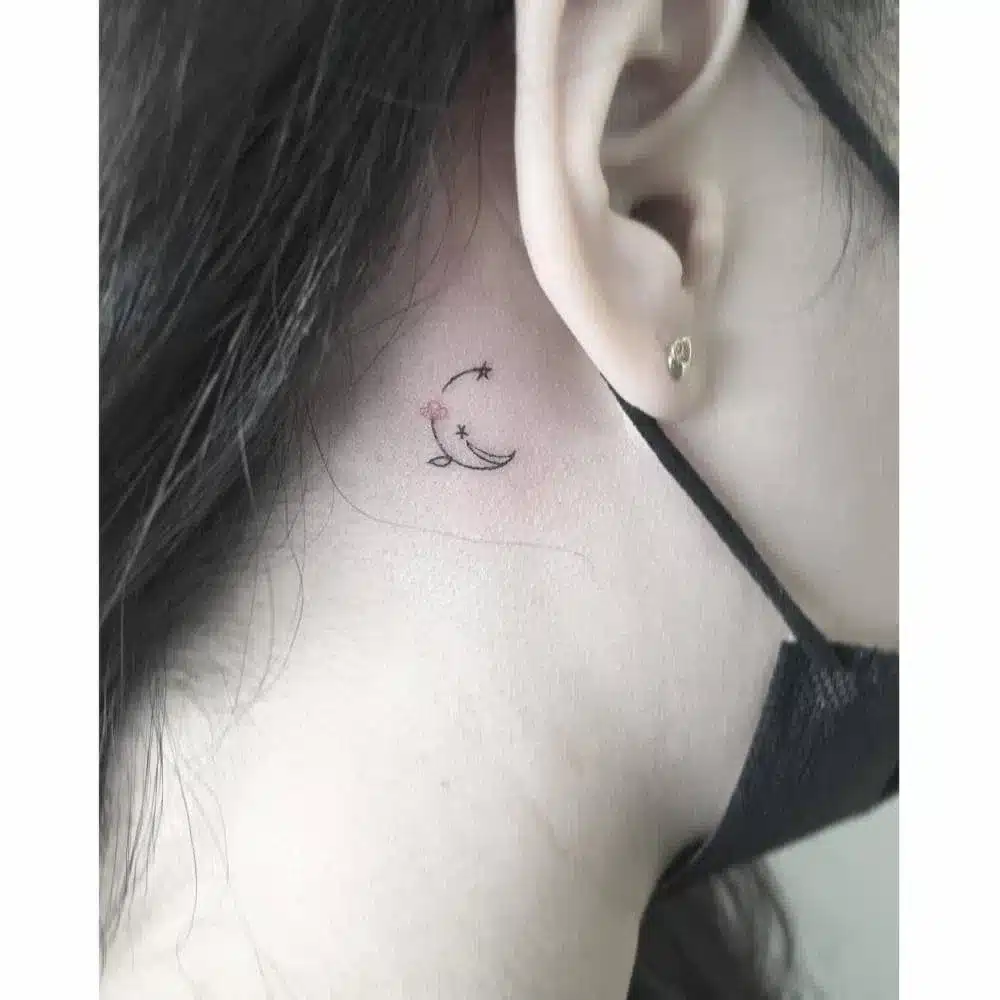
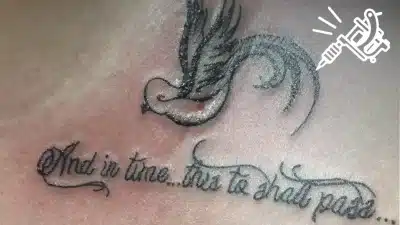
Chest
Bold and meaningful. The chest—close to the heart, both literally and symbolically—is often chosen for tributes or messages of deep importance. It combines vulnerability with strength, suggested by both the location and the act of choosing it.
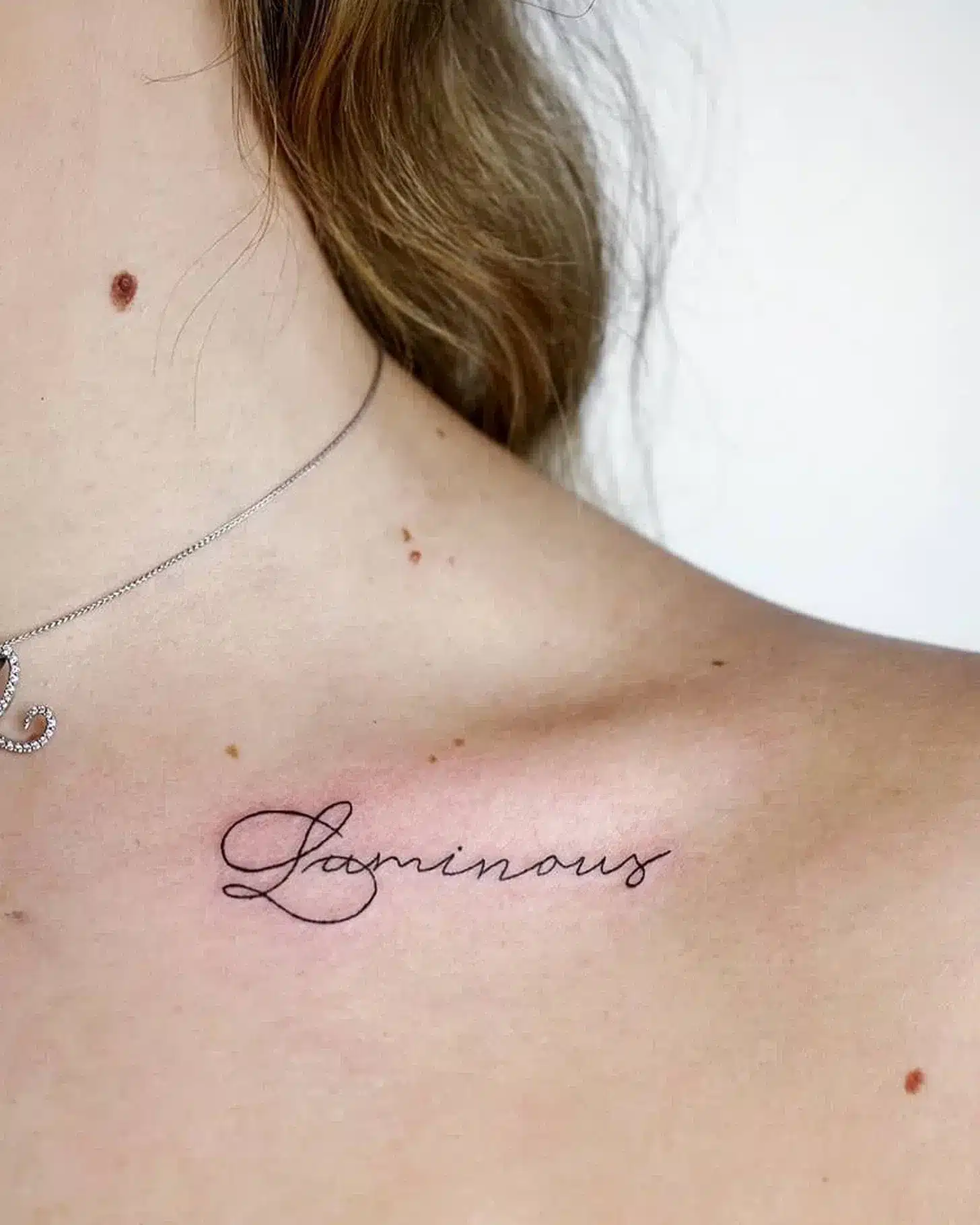
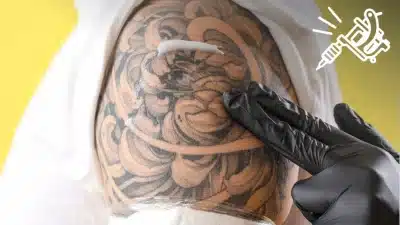
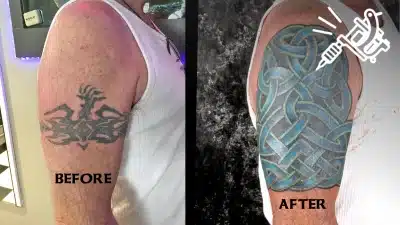
Upper Arm
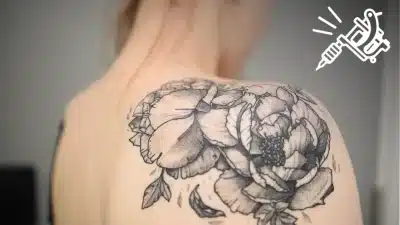
Classic and confident. Popular in traditional and neo-traditional styles, the upper arm has long been a canvas for bold lines and personal storytelling. It’s easy to cover but also easy to show—balanced, like the people who choose it.
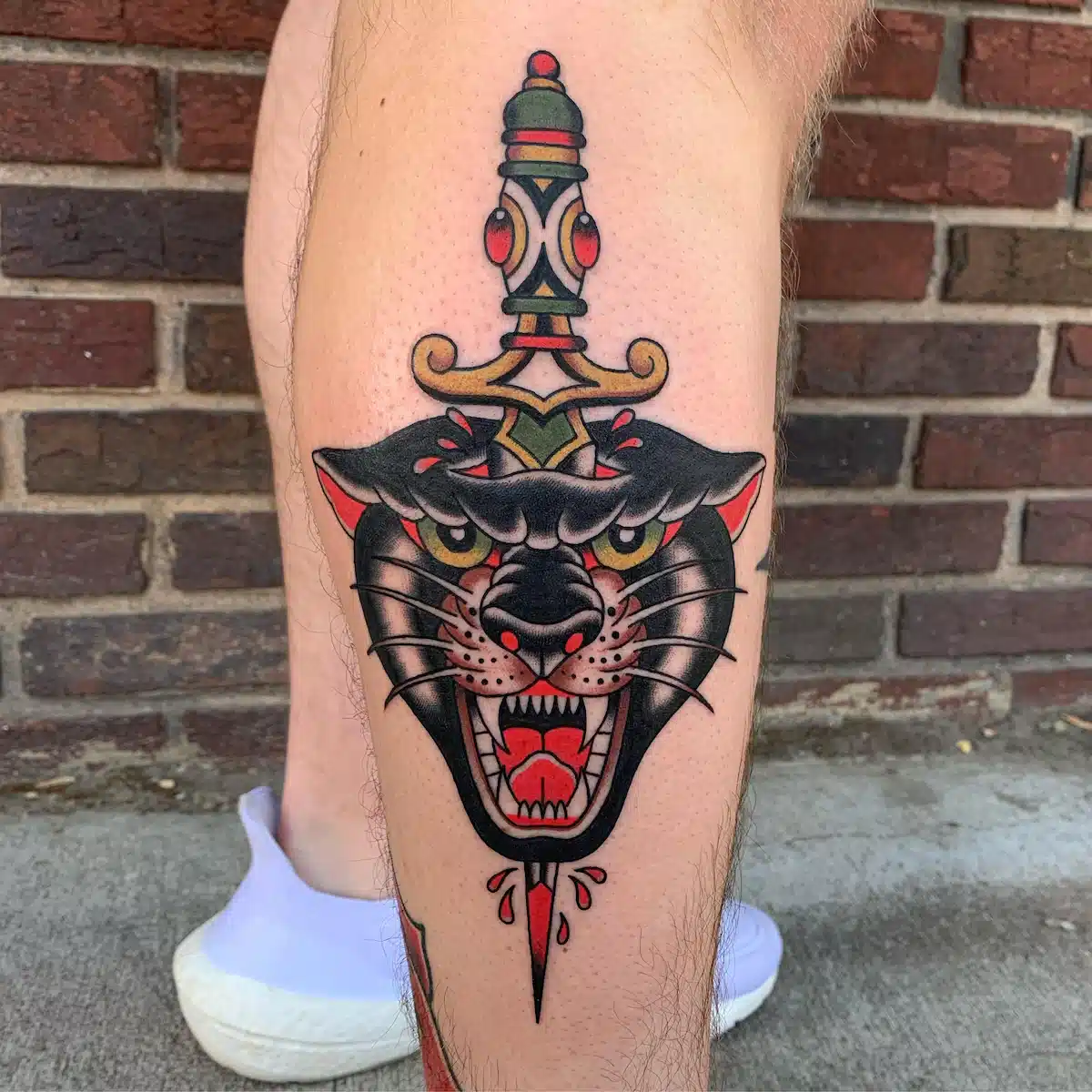
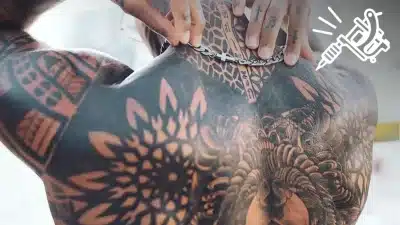
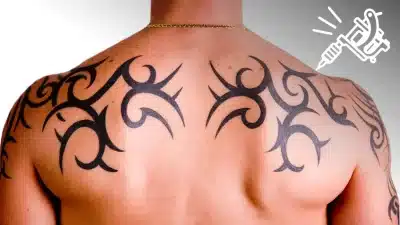
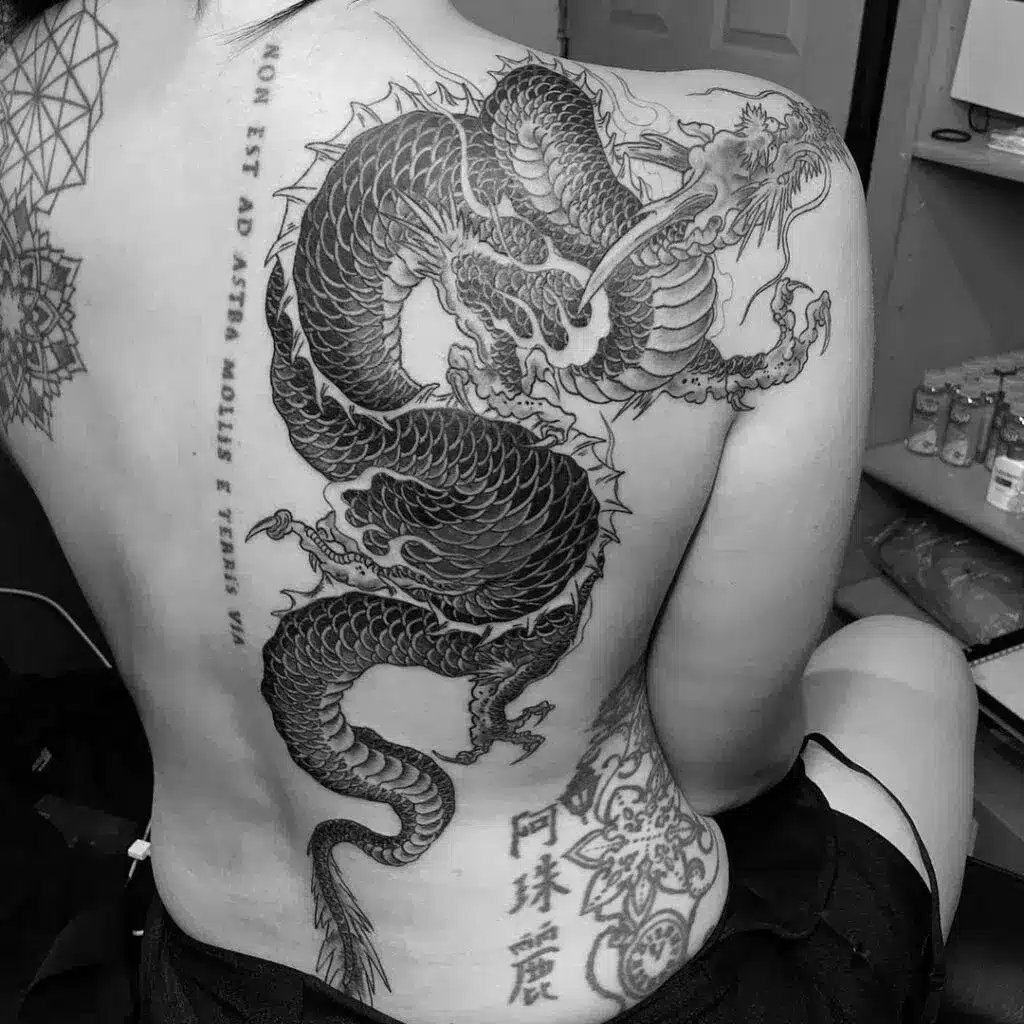
Back
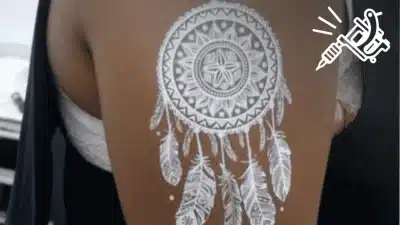
Independent and introspective. Back tattoos are often large, narrative, and for the wearer more than the viewer. You likely don’t care if someone sees it—you know it’s there, and that’s the point.
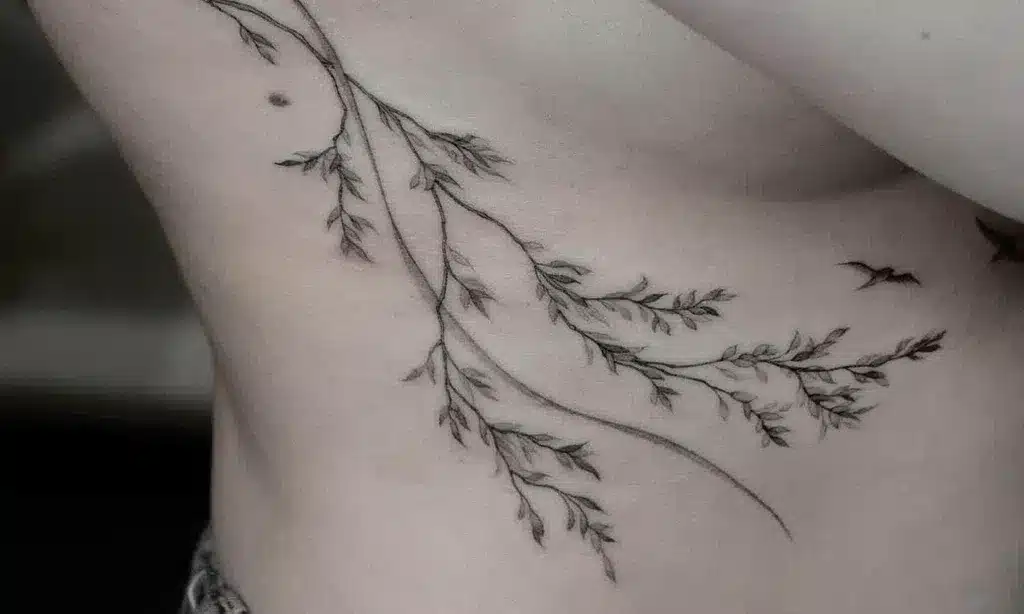
Ribs
Private and intense. Rib tattoos hurt, a lot. So when people get inked here, it usually means the piece holds personal gravity. It’s an emotional space—strong but deeply introspective. Not for the faint of heart or for casual choices.
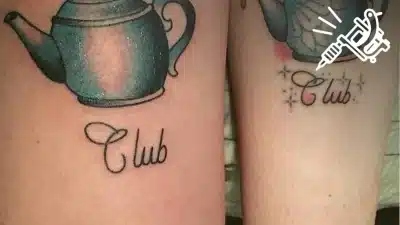
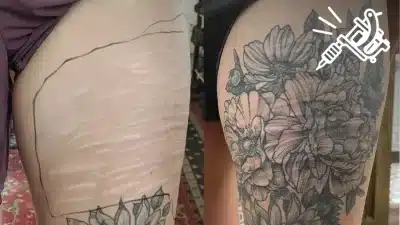
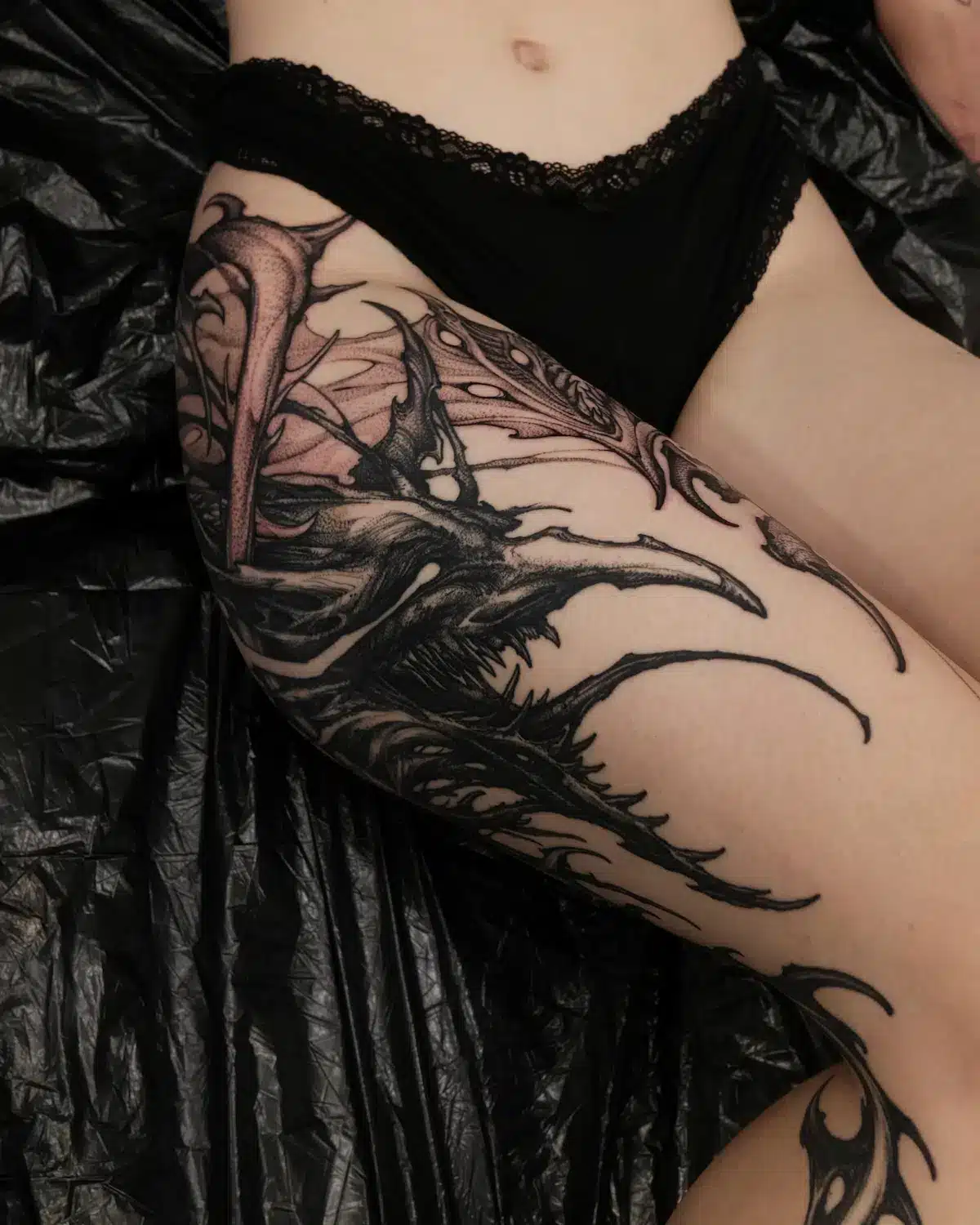
Thigh
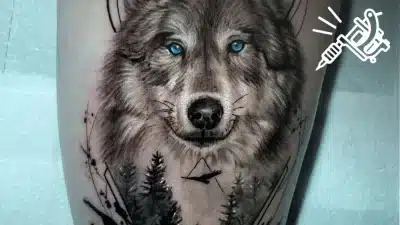
Reserved, sensual, and expressive. Thigh tattoos tend to be larger and more artistic—chosen by those who want to experiment with size or style in a more private way. It often reflects complexity beneath an outward calm.
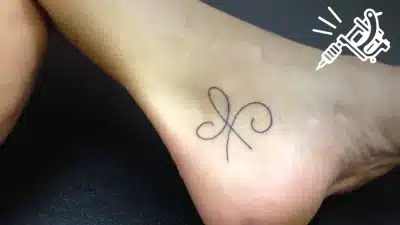
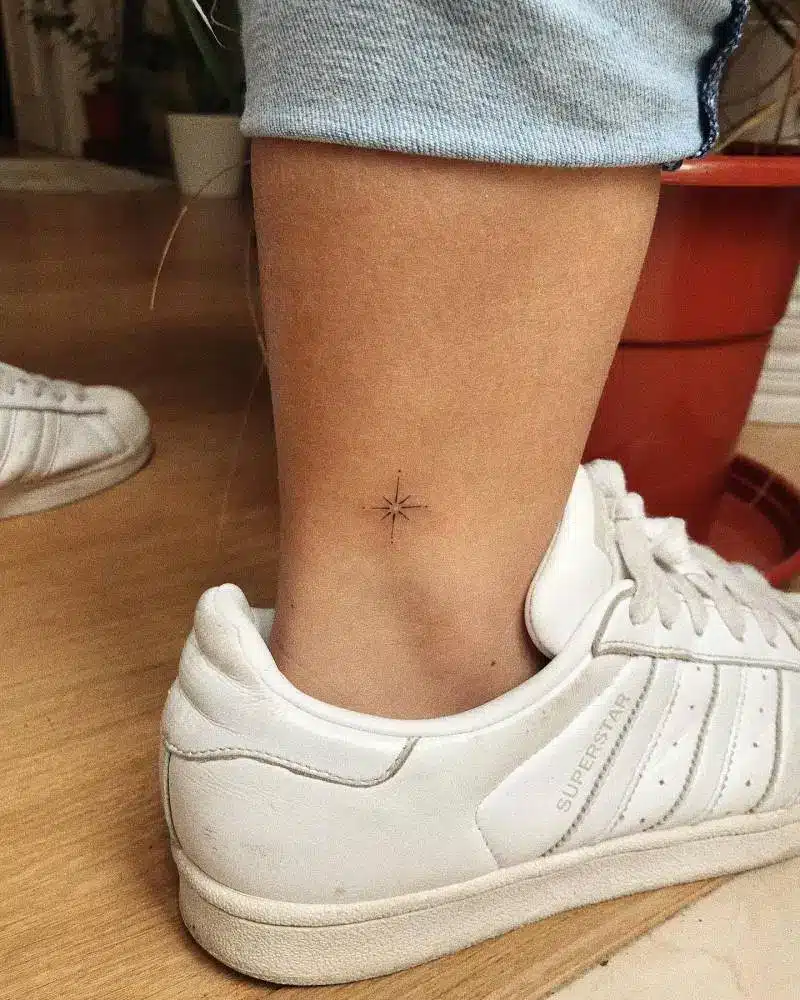
Ankle
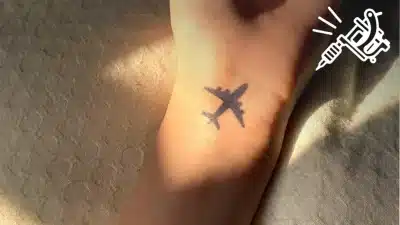
Subtle strength. Ankle tattoos have a quiet power. They’re low-key but statement-making, frequently chosen by those seeking permanent reminders they can carry lightly, beneath the surface.
Hand
Vivid and rebellious. Visible hand tattoos make an immediate impression. They’re worn by those who’ve often thought hard about the consequences—and chose authenticity anyway. It’s a placement of full-on self-definition.
Whether your ink is front and center or hidden in plain sight, placement is a language of its own. And for many, that’s exactly the point—it speaks without ever having to explain.