Tattoo ink doesn’t always stay perfect forever. Over time, even the best-done pieces can fade, blur, or lose crispness. Touch-ups are a normal part of long-term tattoo care—and knowing when and why to get one can keep your ink vibrant and meaningful for years to come.
Tattoo Touch-Ups: What to Know Before You Book
Here’s when a touch-up might be worth it—and what to expect at each step.
Fresh tattoos that didn’t heal right
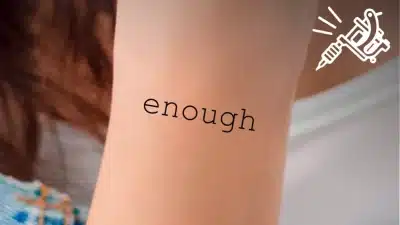
If your ink didn’t heal evenly—maybe due to scabbing, excessive dryness, or friction from clothing—it could leave behind patchy color or uneven lines. This is one of the most common reasons people return to their artist just weeks after their first session.
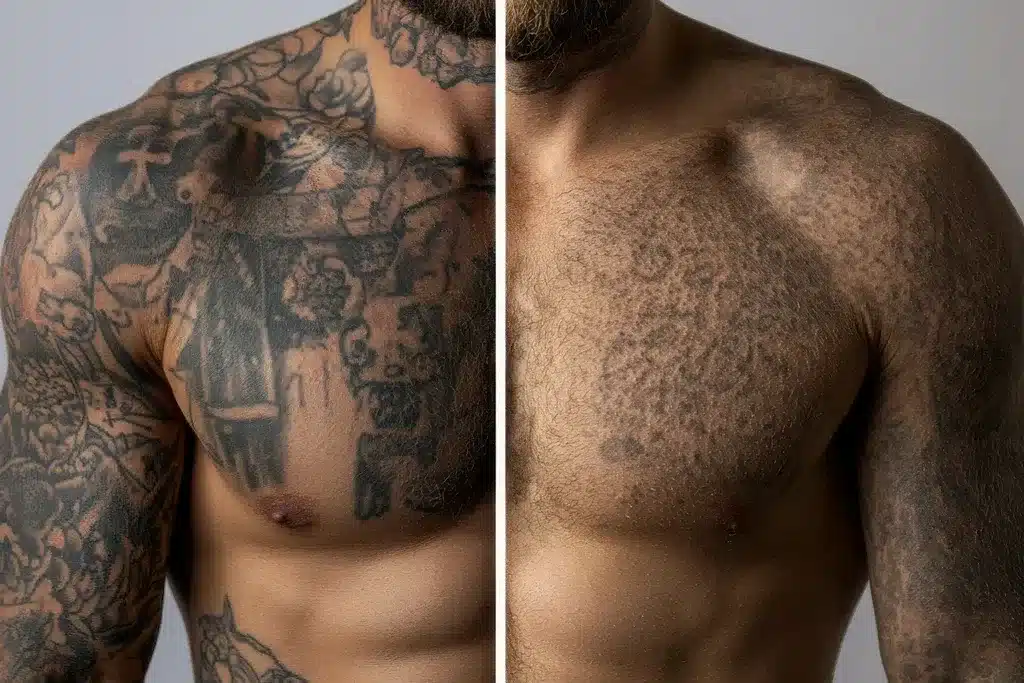
Tattoos that have faded with time
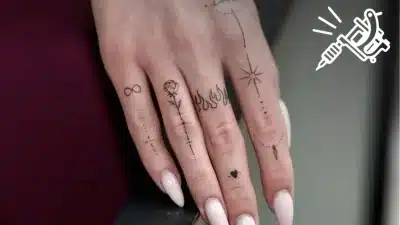
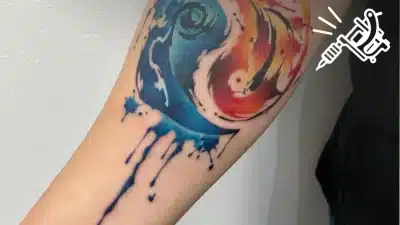
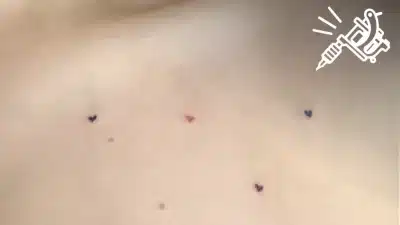
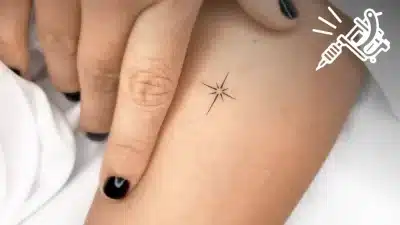
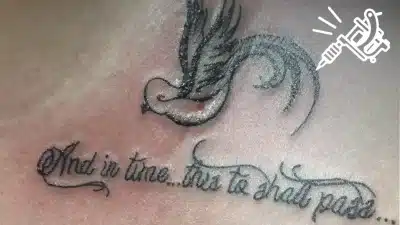
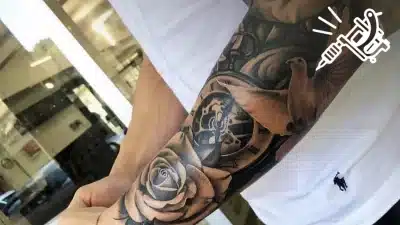
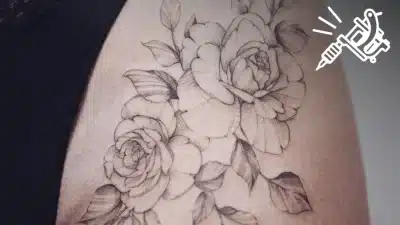
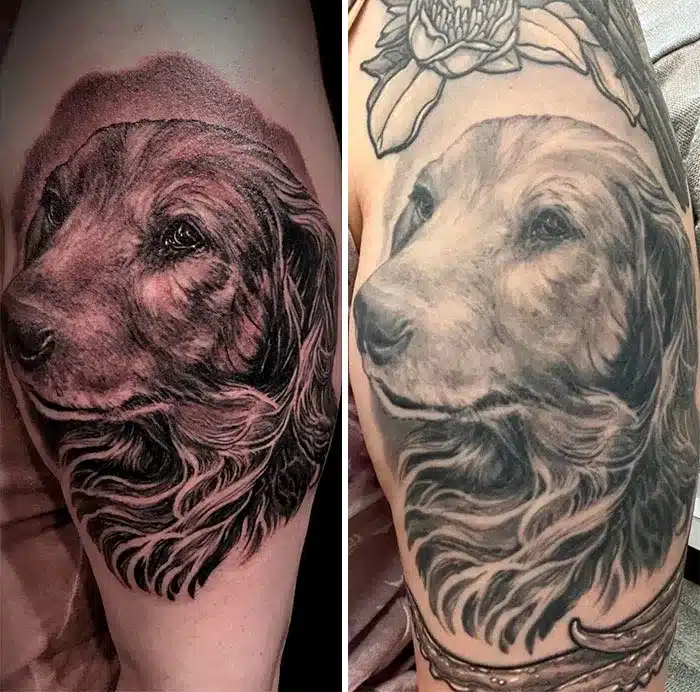
All tattoos fade eventually, especially in sun-exposed areas like arms, fingers, or necks. If your piece is several years old and starting to look dull or washed out, a subtle touch-up can restore contrast and color. This is particularly popular for fine line or watercolor designs.
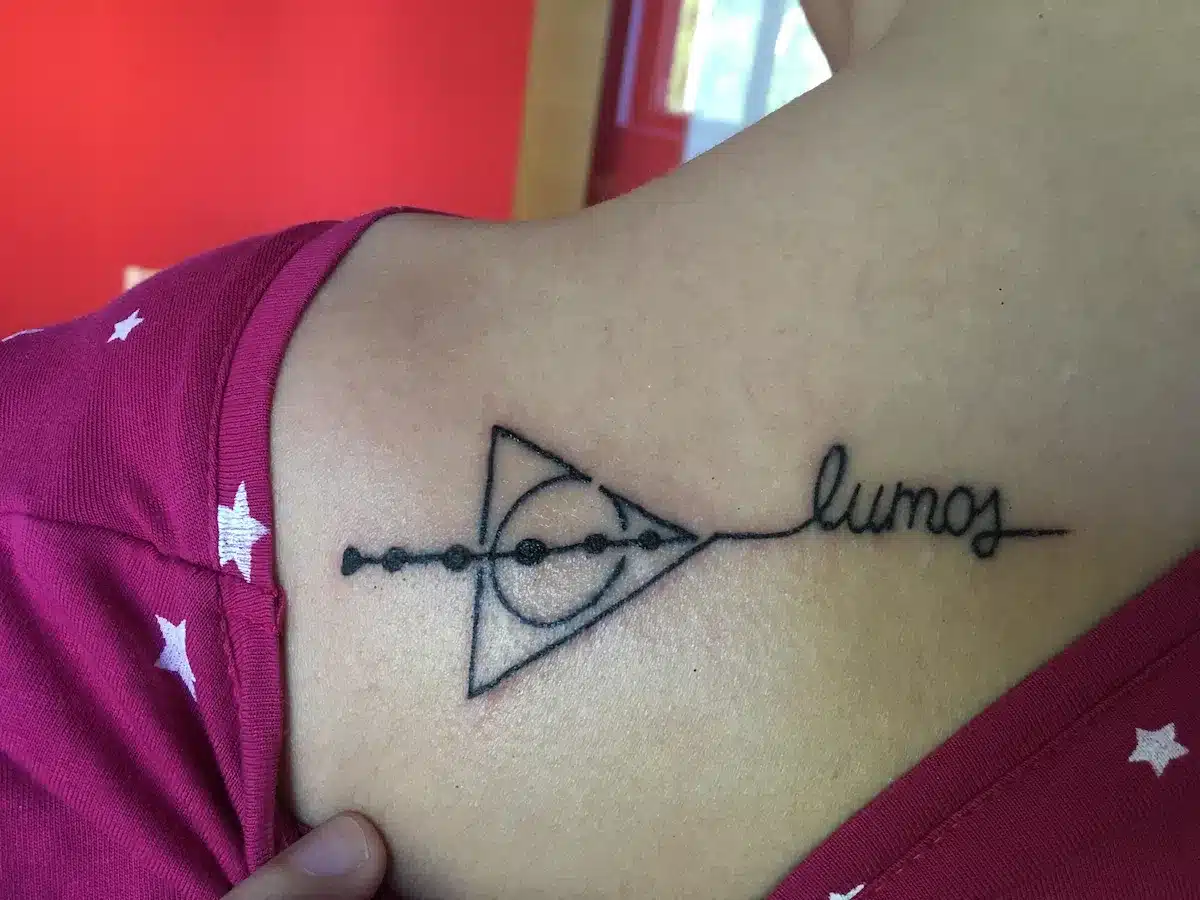
Thicker lines that blow out or blur
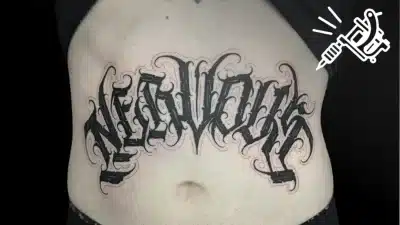
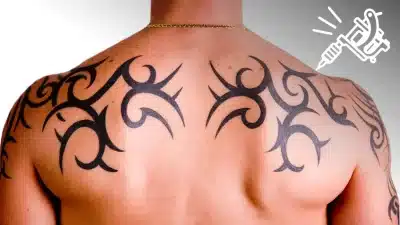
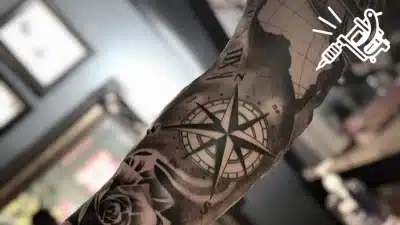
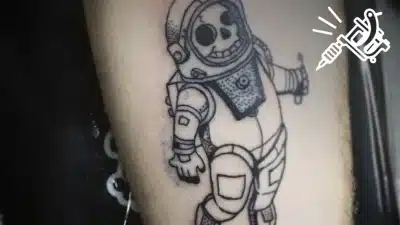
Linework tattoos rely heavily on precision. When lines start to blur from age or a blowout (when ink spreads beyond the intended area), a skilled artist can sharpen the design or add detail around it to bring it back into focus.
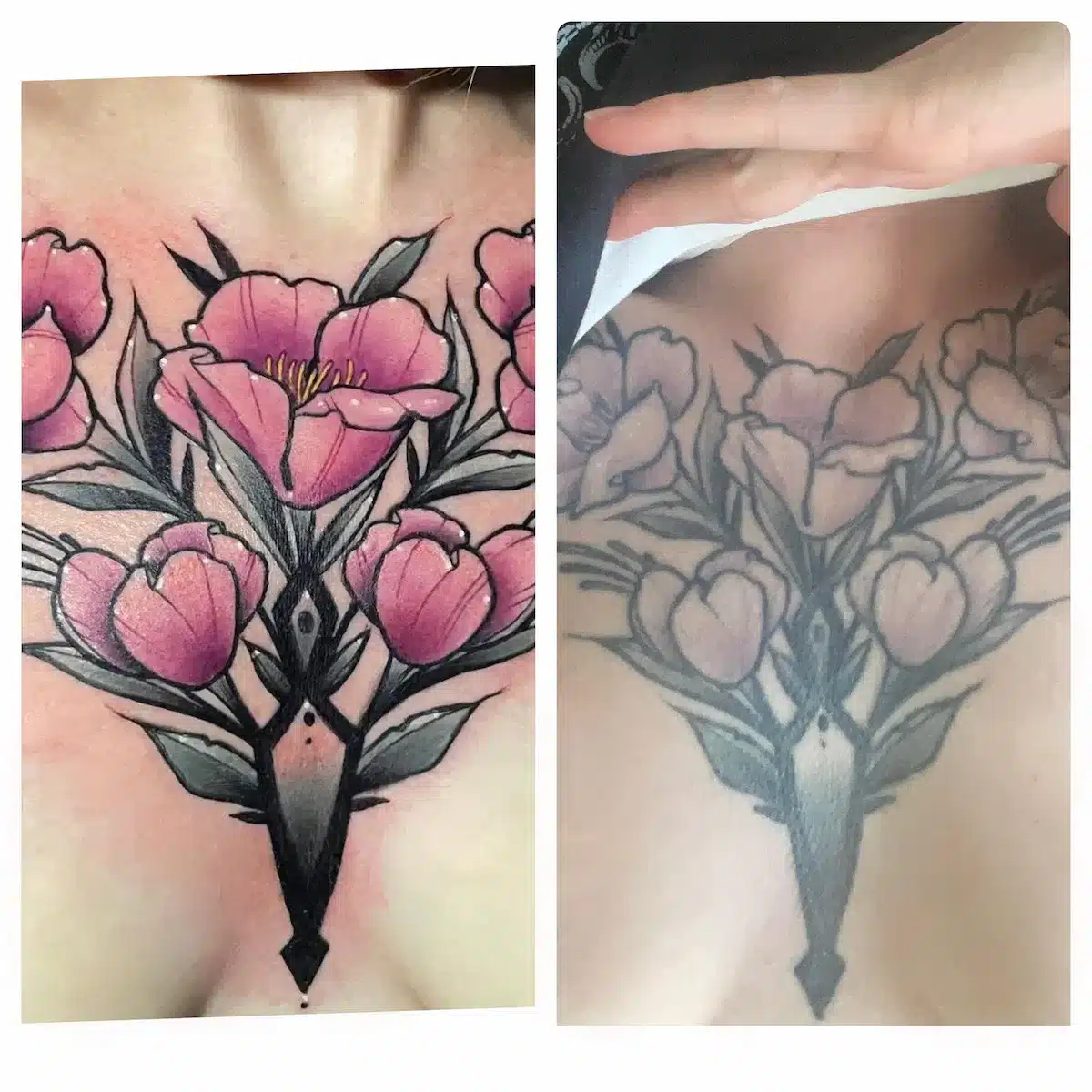
Color tattoos that don’t hold evenly
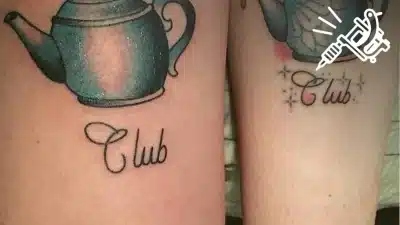
Bright colors—especially reds, pinks, and yellows—can behave unpredictably. Sometimes they settle into the skin unevenly or fade noticeably faster than blacks or blues. A touch-up lets your artist refill the pigment for overall consistency.
When your original artist offers it for free
Many reputable artists include one free touch-up in their tattoo policy, usually within a few months of your original appointment. It’s worth asking when you book, especially for larger pieces or detailed designs. Just don’t miss the window; waiting too long may count as a new session.
Fixing legacy tattoos before a rework
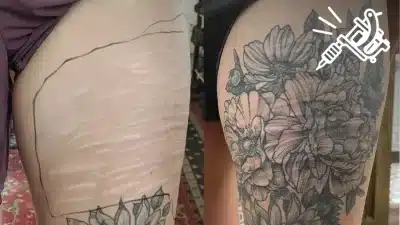
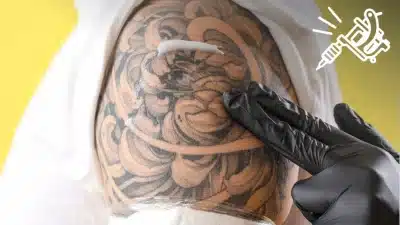
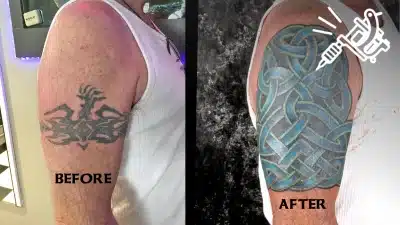
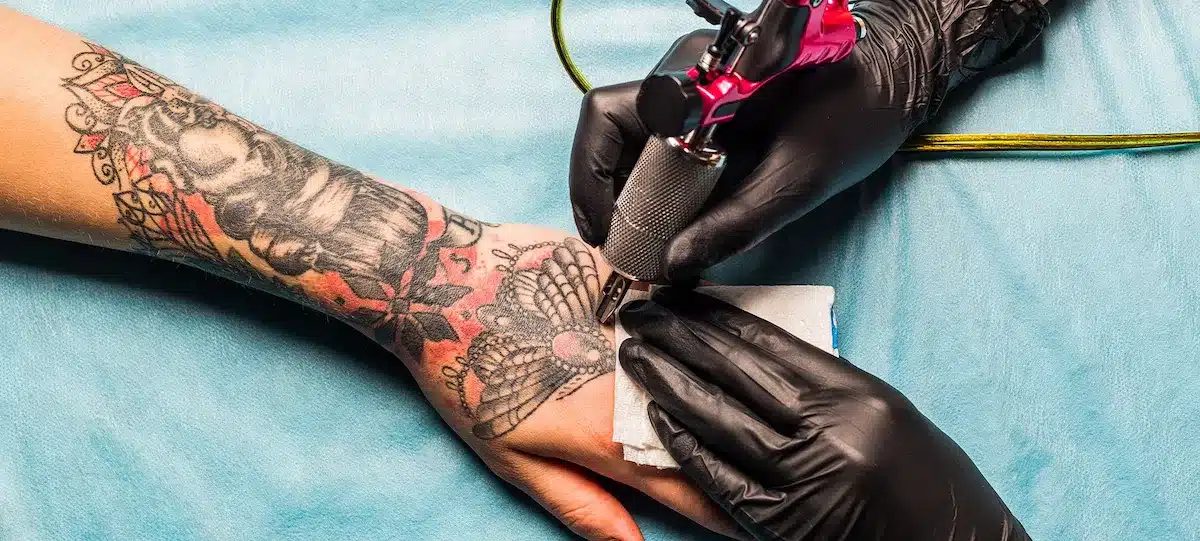
If you’re considering a cover-up or rework, a touch-up can sometimes be the first step. Strengthening the original lines or adjusting faded areas helps build a cleaner base for the new design to layer onto. It’s like prepping the canvas before painting again.
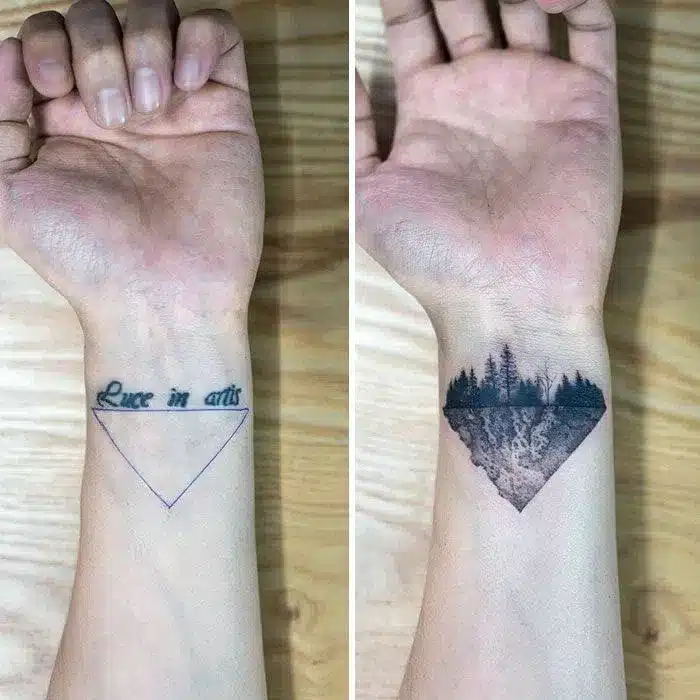
What to expect at your touch-up
Touch-ups are typically shorter sessions than the original appointment. The artist will revisit only the areas that need correcting or enhancing. Healing times are often faster, too—though aftercare remains just as important to prevent repeating the problem.
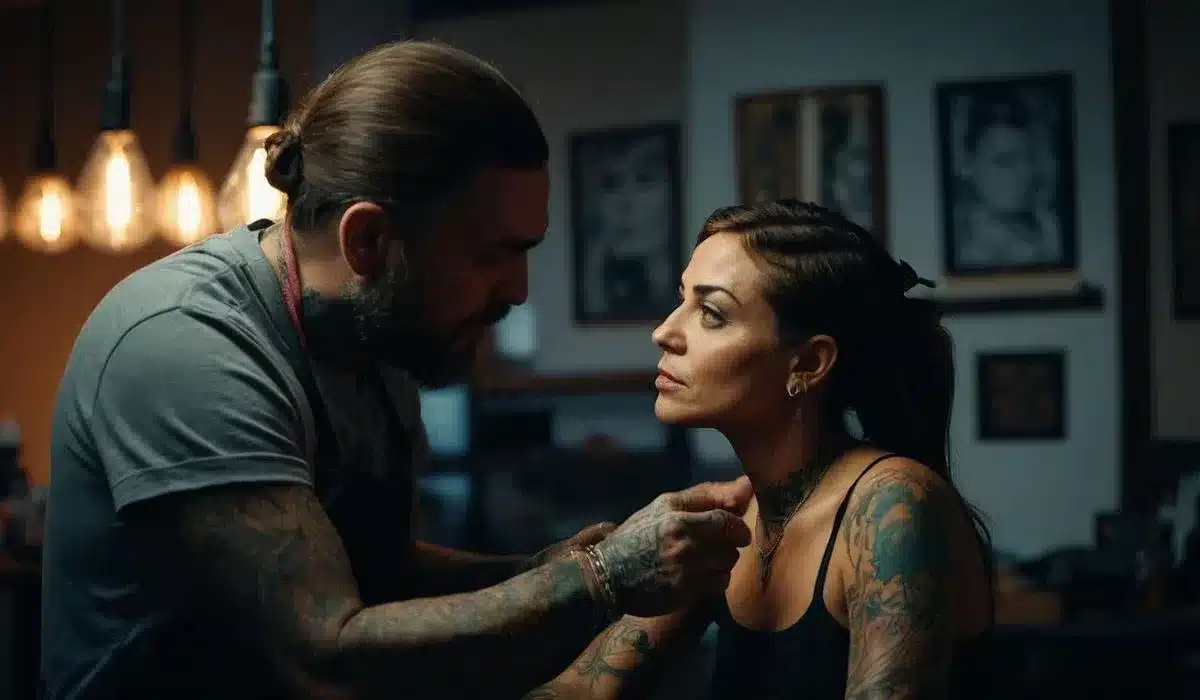
A final note: A good tattoo ages with you
Touch-ups help keep your tattoos looking fresh, but they also speak to the life you’ve lived with them—sun, skin changes, movement. They’re not about perfection, they’re about preservation and longevity. And a well-maintained piece can stay meaningful for a lifetime.